Wie vermeide ich Fehler bei Google Ads?

Ipolongo Google AdWords

Das Erstellen einer leistungsstarken Ads-Kampagne erfordert nicht nur Mühe, sondern auch intelligentes Arbeiten. Um eine anklickbare Anzeige zu erstellen, müssen Sie einige Best Practices befolgen, ti yoo ran o, Ihr Ziel zu erreichen. Verstehen Sie in erster Linie, dass Ihre Anzeige immer für Ihre Zielgruppe relevant sein sollte. O ṣe pataki, Schlüsselwörter zu verwenden, mit denen Ihre potenziellen Kunden am ehesten suchen, und Branchenjargon zu vermeiden, den sie möglicherweise nur schwer verstehen können. Ihre Anzeige sollte in der Lage sein, die Aufmerksamkeit Ihrer Interessenten auf sich zu ziehen, aber nicht zu verkaufsfördernd aussehen. Verwenden Sie starke und ansprechende Bilder mit überzeugender Sprache, um Aufmerksamkeit zu erregen, ṣugbọn ko ṣe awọn ẹtọ eke tabi ṣe iṣeduro ohunkohun diẹ sii ju iyẹn lọ, ohun ti o le fi. Nigbagbogbo rii daju, pe o ni ipe si igbese, lati gba eniyan niyanju, gba awọn titẹ diẹ sii lori ipolowo rẹ. Nipa titẹle awọn iṣe iṣowo idojukọ ati igbero daradara Google Ads ete, o le ṣẹda ohun doko ipolongo, tani yio ran o lowo, Ṣe aṣeyọri awọn ibi-afẹde iṣowo rẹ.

adwords ibẹwẹ jẹ irinṣẹ ipolowo ti o lagbara, ṣugbọn lati lo o dara julọ, le jẹ gan soro. Ilana ti o munadoko lati mu ipolowo ipolowo isanwo rẹ pọ si ni lati ṣe eyi, Awọn koko-ọrọ rẹ, ti o yoo fẹ lati idu lori, yan ni oye. Gbiyanju, lati ṣojumọ lori awọn ọrọ tabi awọn gbolohun ọrọ, ti o ṣe pataki si awọn ọja tabi awọn iṣẹ ti o funni, ati daba iwọn wiwa giga ati idije kekere. Wo ipolowo rẹ lo ọgbọn ati rii daju, ti o setumo a isuna, pẹlu eyiti o gba. Bakannaa, maṣe gbagbe, lati tọpinpin awọn abajade, nitorina o le rii awọn ipolowo ti o ṣe daradara ati ṣatunṣe awọn ipolongo rẹ ni ibamu. Lo awọn imọran wọnyi lati mu Google AdWords rẹ dara si fun awọn abajade iyalẹnu.

Awọn ipalara pẹlu Awọn ipolowo Google, eyi ti o yẹ ki o yago fun

Awọn ipolowo Google jẹ nla, lati de ọdọ awọn alabara tuntun ati dagba iṣowo rẹ. Sibẹsibẹ, diẹ ninu awọn ipalara ti o wọpọ wa, eyi ti o le ja si isonu owo ati talaka esi. Ọkan ninu awọn aṣiṣe ti o wọpọ julọ ni idojukọ awọn ipolowo rẹ ni aṣiṣe. Lo akoko rẹ, lati ni oye, tani awọn olugbo ibi-afẹde rẹ ati kini awọn koko-ọrọ ti wọn ṣeese julọ lati lo, nigbati wọn ba wa ọja tabi iṣẹ rẹ. Aṣiṣe miiran jẹ ṣeto awọn ipese giga fun awọn koko-ọrọ. Ranti pe, ti o ko ba ni lati gbe awọn ga idu; Ni otitọ, o dara julọ ni pipaṣẹ ni isalẹ, lati ṣaṣeyọri ipo ti o ga julọ. Lẹhinna rii daju, ti o nigbagbogbo bojuto rẹ ipolongo, lati ṣe awọn ayipada ti o ba wulo.

Google Ìpolówó ni a wapọ ipolongo nwon.Mirza, eyi ti o ti lo nipasẹ awọn ile-iṣẹ ti o yatọ si titobi, lati de ọdọ awọn ẹgbẹ afojusun. Sibẹsibẹ, o ṣiṣẹ daradara fun awọn iṣowo, ti o gbekele lori ti o npese online ijabọ. Awọn ipolowo Google jẹ iwongba ti irinṣẹ to niyelori fun awọn iṣowo, die ihre Sichtbarkeit erhöhen und ihre Zielgruppe erreichen möchten.

Wie können Sie Google-Anzeigen für Ihr Unternehmen verwenden?

Google Ìpolówó

Die Verwendung von Google Ads kann sich als die beste Entscheidung erweisen, die Sie für Ihr Unternehmen treffen können. Wir übertreiben das Thema nicht. Menschen nutzen Google, um täglich nach kleinsten Dingen zu suchen. Jede Suchanfrage bietet Ihnen mehrere Möglichkeiten, Ihre Marke potenziellen Nutzern vorzustellen. Dies bedeutet eine zunehmende Anziehung von Leads, Conversions und Geschäftsverkäufen. Hier spielt Google Ads eine große Rolle. Mit Google Ads können Sie für Ihre Produkte und Dienstleistungen werben, indem Sie sie potenziellen Nutzern präsentieren, wenn diese nach relevanten Schlüsselwörtern suchen. Wenn Sie es richtig ausführen, können Leads und Verkäufe in die Höhe schnellen.

Was ist Google Ads?

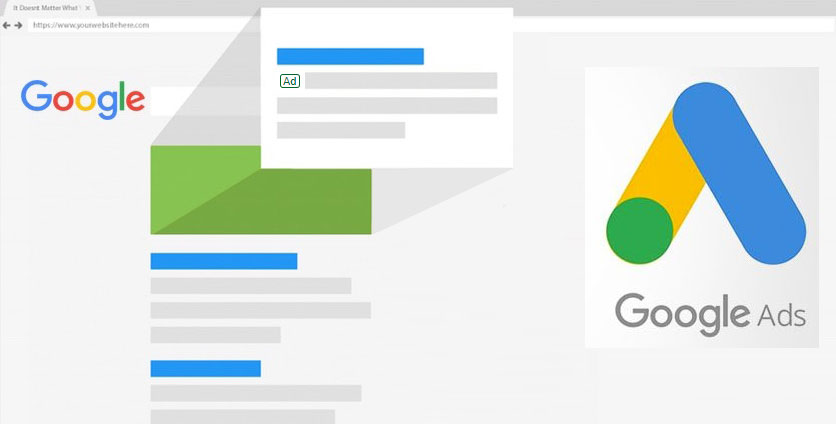
Google Ìpolówó, ursprünglich Google AdWords genannt, ist eine von Google eingeführte kostenpflichtige Online-Werbeplattform. Die Art und Weise, wie es funktioniert, bleibt im Wesentlichen dieselbe wie bei der Online-Suche mit einem Schlüsselwort; Sie erhalten die Ergebnisse auf einer Suchmaschinen-Ergebnisseite (SERP) im Zusammenhang mit ihrer Anfrage. Diese Suchergebnisse enthalten bezahlte Werbung, die auf dieses Schlüsselwort abzielt.

Sie können alle Anzeigen für ein bestimmtes Keyword oben in den SERPs finden. Sie können den dafür angebotenen organischen Suchergebnissen sehr ähnlich aussehen. Dies ist gut für den Online-Werbetreibenden, bi awọn abajade wiwa oke lori Google nigbagbogbo gba ààyò wuwo ati pupọ julọ ti ijabọ sọwedowo wọnyi fun awọn wiwa. Bibẹẹkọ, ipolowo lori Google ko ṣe iṣeduro ipo akọkọ titilai dandan. Lẹhinna, ọpọlọpọ awọn onijaja miiran tun n dije fun Koko kanna nipasẹ Awọn ipolowo Google. Lati ni oye, Bii awọn ipolowo isanwo ṣe gba awọn ipo, ká wo, bi Google Ads ṣiṣẹ gangan.

Bawo ni Google Ads ṣiṣẹ?

Awọn ipolowo Google nṣiṣẹ awọn iṣẹ rẹ lori ipilẹ isanwo-fun-tẹ (PPC)-awoṣe. Iyẹn tumọ si, pe awọn amoye ọja ṣe idojukọ koko-ọrọ kan pato lori Google ati lẹhinna paṣẹ lori koko, ti o figagbaga pẹlu awọn omiiran, eyi ti o tun fojusi koko kanna.

Awọn ofin, ti o balau, jẹ "o pọju idu" tabi awọn ti o pọju iye, den Sie für eine Anzeige zu zahlen bereit sind.

1. Cost-per-Click – Welchen Betrag müssen Sie bezahlen, wenn ein Nutzer auf Ihre Anzeige klickt?

2. Cost-per-Mille – Was Sie für jeweils 1000 Anzeigenimpressionen bezahlen.

3. Cost-per-Engagement – ​​Wie viel Sie bezahlen, wenn ein Nutzer eine Aktion für Ihre Anzeige ausführt.

Google verbraucht dann das Gebot und koppelt es mit einer Bewertung Ihrer Anzeige, die als Qualitätsfaktor bezeichnet wird. Der Qualitätsfaktor ist eine Bewertung der Qualität, der Keywords und ansprechenden Landingpages Ihrer Anzeigen. Hochwertigere Anzeigen führen zu niedrigeren Preisen und höheren Anzeigenpositionen. Ihre Überschrift ist das wichtigste Element Ihrer Google-Anzeige, da sie das erste ist, was Ihre Kunden sehen. Nitorinaa, o yẹ ki o jade lati awọn iyokù ni oju-iwe akọkọ ti awọn abajade Google.

Bii o ṣe le ṣaṣeyọri ipo ipolowo ipolowo Google kan?

Ipolongo Google AdWords

Ti o ba fe, pe awọn ipolowo rẹ han ni awọn abajade wiwa, lẹhinna ipo ipolowo Google jẹ ifosiwewe pataki pupọ ni afikun si iye idu. Ipo Ipolowo Google ni iye naa, eyiti o ṣe idanimọ ni aṣeyọri, Nibiti ipolowo rẹ nilo lati wa ni ipo ni awọn abajade wiwa. Iṣiro naa da lori awọn ifosiwewe diẹ. Awọn ifosiwewe wọnyi pẹlu iye idu, Ipo ipolowo, Bid didara ati akoko. Ni afikun, irisi ti awọn ibeere wiwa olumulo, awọn ifigagbaga, awọn ọna kika ipolowo isanwo ati ipa ti a nireti ti lilo awọn amugbooro ipolowo.

Awọn ọna lati gba awọn ipo ipolowo Google giga

1. Ṣe ilọsiwaju ibaramu ti ipolowo Google rẹ

2. Fojusi lori lilo itẹsiwaju ipolowo

3. Bori 301 àtúnjúwe awọn ọkọọkan

4. Mu awọn ọna asopọ inu oju opo wẹẹbu rẹ pọ si

5. Ṣẹda lowosi ati iyanilenu ibalẹ ojúewé

Awọn ipa ti ilọsiwaju ipo ipo ipolowo Google

Itọsọna to wulo julọ gba ọ laaye, nipa ti awọn Google AdWords-alaye nipa awọn iṣẹ ti a nṣe lori Syeed. Awọn wọnyi ni awọn iṣẹ, ti yoo ran o, Ṣe ilọsiwaju awọn ipo ipolowo Google rẹ. Onimọran ipolowo ọjọgbọn yoo tun ṣe iranlọwọ fun ọ pẹlu eyi, lati lo awọn anfani pupọ, labẹ:

1. Nọmba awọn akosemose Awọn ipolowo Google le ṣe iranlọwọ ilọsiwaju awọn ipo ipo ipolowo, eyiti a pese nipasẹ awọn amoye ti o ni iriri.

2. Nfun imọran, laisi gbigba agbara awọn idiyele ti ko ṣe pataki

3. Ipo ipo ipolowo Google ti o ga julọ tumọ si, pe eniyan le paṣẹ lati awọn iṣẹ rẹ, lai nini lati dààmú nipa brand awọn ifiyesi.

Awọn iṣẹ amọja ṣe iyipada pẹpẹ sinu nkan kan, eyi ti o jẹ pipe fun awọn ẹni-kọọkan, ti o n wa awọn solusan ipolowo ti o munadoko julọ ati iyalẹnu. Pẹlu alaye deede yii o le pinnu, nibiti ọpọlọpọ awọn onijaja rẹ ti nawo inawo wọn.

Ṣe ilọsiwaju iṣẹ didara ile

Asopoeyin wa ni gbogbo tita- tabi ipolongo nwon.Mirza pataki, lati fi kan ga didara bošewa. O ti wa ni diẹ sii ju to, lati mu ijabọ naa pọ si didara giga.

Iṣeyọri awọn ipo oke jẹ aṣayan daradara fun akoonu ti o dara julọ fun ipolowo Google rẹ ni ibamu si iṣeto naa. O jẹ aṣayan ti o dara fun awọn imọran nla ati awọn amoye, lọ nipasẹ ilana ilọsiwaju ipo, eyiti ngbanilaaye awọn aṣayan diẹ sii fun didara julọ. Eyi ṣe alabapin si eyi, lati pese iṣẹ iyanu kan, eyiti o ni ibamu pupọ pẹlu akoonu kikọ iṣẹ-ṣiṣe ati pupọ diẹ sii laisi awọn iṣoro eyikeyi.

Pẹlu ipo giga nipasẹ Google AdWords o jẹ iranlọwọ pupọ, mu Google ìpolówó, nipa gbigbe iṣowo ori ayelujara rẹ si ipele ti atẹle. Lati oju iṣẹlẹ ti o rii, bi o ṣe le ṣe ilọsiwaju ipo ipolowo ti awọn ipolowo Google rẹ ati bii o ṣe le ṣaṣeyọri awọn ipo wiwa giga. O yẹ ki o kan si ile-iṣẹ ipolowo Google ti o ni iriri, lati ṣaṣeyọri awọn abajade to dara julọ, eyiti o fun ọ ni iṣakoso pipe lori ipolongo Awọn ipolowo Google laisi wahala eyikeyi.

Kini idi ti awọn koko-ọrọ ṣe pataki ni awọn ipolowo Google?

Ipolongo Google AdWords

Ti a ba sọrọ nipa koko-ọrọ ni Awọn ipolowo Google, jẹ ki ká soro nipa awọn gbolohun ọrọ, eyiti iwọ yoo ṣepọ pẹlu ọkọọkan awọn ẹgbẹ ipolowo rẹ ni ibamu si awọn ẹgbẹ koko-ọrọ. Awọn koko-ọrọ ti awọn ipolowo wọnyi baramu awọn ọrọ ati awọn gbolohun ọrọ, pe olumulo kan wọle lati ṣe awọn wiwa, eyi ti o nfa ibaamu ti o baamu fun awọn ipolowo rẹ. Iyẹn rọrun, ṣugbọn ọpọlọpọ awọn koko-ọrọ wa, eyiti o le lo ninu ẹda ipolowo rẹ. O le lo ilana ipolowo asọye daradara, lati to awọn data ati yan awọn koko-ọrọ to dara julọ fun awọn ipolongo Google AdWords rẹ.

Kini koko ipolowo to dara pẹlu??

Iwọn wiwa giga

A fe ki, pe awọn koko-ọrọ wa oniwun ni Google Ìpolówó ni iwọn didun wiwa giga, lati pese anfani to dara julọ, De ọdọ awọn olumulo diẹ sii lori ayelujara ati ṣe ina awọn itọsọna diẹ sii. Awọn ipolowo Google ṣe asia awọn koko-ọrọ pẹlu “iwọn wiwa kekere”, ti a ti fi kun si akọọlẹ rẹ, ni kete bi o ti di mimọ, pe awọn ọrọ wọnyi jẹ iyọọda, ṣugbọn awọn ipolowo rẹ ni o kere julọ han si awọn olumulo, ti ko ba si ẹnikan ti o wa pẹlu awọn koko-ọrọ wọnyi.

ibaramu koko

Gbiyanju, Pin awọn ipolongo ipolowo Google rẹ si ọpọlọpọ awọn ẹgbẹ ipolowo bi o ti ṣee ṣe, ati pese awọn iṣinipopada fun ironu nipa ati yiyan awọn koko-ọrọ to wulo ati iwulo. Nigbati o ba ṣafikun awọn koko-ọrọ iru gigun wọnyi si ipolongo rẹ, o ni anfani nla, Ni ẹda de ọdọ awọn olugbo rẹ da lori ero wiwa wọn, ati pe o tun le ja si eyi, pe idije jẹ alailagbara.

Ifarahan lori oju-iwe ibalẹ

Pupọ julọ awọn koko-ọrọ Awọn ipolowo Google, ti o fi si ipolowo kan pato, han loju ibalẹ iwe, eyiti ipolowo rẹ tọka si. Eyi ko ṣee ṣe nigbagbogbo, ati pe o yẹ ki o jẹ ibi-afẹde rẹ, lati ṣẹda irin-ajo olumulo ti o baamu lati ọrọ wiwa si oju-iwe ibi-afẹde, ki awọn olumulo rẹ ko ni rilara bẹ, lati ti ṣubu fun ipolowo rẹ.

Nibo ni MO le wa awọn koko-ọrọ Google Ads?

Google-Trends

O le jẹ amoye ni aaye rẹ, ṣugbọn ọna, bawo ni o ṣe fihan, yatọ patapata lati ọna, bawo ni awọn olugbo rẹ ṣe maa n sọrọ nipa rẹ. Pẹlu Google Trends o le gba awọn oye ti o han nipa rẹ, bawo ni ẹgbẹ ibi-afẹde rẹ ṣe n wa awọn ipese rẹ.

Awọn ibeere to wa tẹlẹ

Awọn iṣowo tabi awọn olupolowo le lo Google Search Console tabi ijabọ rira alabara nipasẹ Awọn atupale Google, lati ri, awọn ofin wo ni o mu awọn asesewa agbara si oju opo wẹẹbu rẹ.

aaye ayelujara

Ṣayẹwo akoonu oju opo wẹẹbu rẹ, lati ṣayẹwo awọn koko ati awọn gbolohun ọrọ, eyiti o le pẹlu ninu awọn ipolowo Google rẹ.

Koko oludije

Rii daju, pe o ṣe itupalẹ ọrọ-ọrọ ti awọn oludije rẹ, ṣaaju ṣiṣe ipolongo AdWords rẹ, nitori eyi yoo ṣe iranlọwọ fun ọ lati gbero ipolongo ilana kan.

Ti o ba tẹle gbogbo eyi, gba nyorisi ati nife ẹni, ti o wa ni kosi nife ninu rẹ ipese.

Kini awọn anfani ti gbigbe ipolowo sori Google??

Ipolongo Google AdWords

Awọn ipolowo Google jẹ eto ipolowo ori ayelujara ti Google ṣafihan. O nfun ipolongo sisan, awọn ọkan pẹlu awọn Google AdWords Ipolongo han ni awọn abajade wiwa. Awọn ipolowo Google gba ọ laaye lati ṣẹda awọn ipolowo ori ayelujara ti o sanwo, lati de ọdọ ọpọlọpọ eniyan, ti o ṣe afihan ifẹ si awọn ọja ati iṣẹ ti o funni. Ku Ipolowo Googles ṣiṣẹ lori sanwo-fun-tẹ (PPC)-ipolowo, d.h. O ni lati sanwo, nigbati alejo ba tẹ lori ipolowo rẹ. Awọn ipolowo Google jẹ lilo, lati polowo ile-iṣẹ rẹ, lati ṣe iranlọwọ lati ta awọn ọja tabi awọn iṣẹ ati mu ijabọ oju opo wẹẹbu ati akiyesi iyasọtọ laarin eniyan.

Ko si ibeere bii iye to kere julọ, ti o ni lati na, ati nitorinaa o le ṣalaye ati ṣakoso isuna rẹ ni ibamu si ipo naa. O le pinnu, nibiti o fẹ ki ipolowo rẹ han, Ṣeto eto isuna ti o ni ifarada ati oye fun ọ lẹhinna wọn ipa ti ipolongo ipolowo isanwo rẹ.

Kini awọn anfani ti Awọn ipolowo Google?

Yiyara ju SEO - Anfani pataki julọ ti ipolongo Awọn ipolowo Google jẹ, pe o ṣiṣẹ yiyara ju SEO. Awọn ipolowo Google ati SEO jẹ apakan ti ilana titaja oni-nọmba, eyi ti o ti gbe jade, lati ṣe ina awọn itọsọna diẹ sii ati ijabọ si oju opo wẹẹbu rẹ. Ṣugbọn ipolongo Awọn ipolowo Google iṣapeye le ṣiṣẹ ni iyara fun iṣowo kan, lati gba awọn abajade lẹsẹkẹsẹ ati gba aaye akọkọ ti o fẹ julọ ni wiwa.

Alekun brand imo - Nigbati eniyan ba gbọ nipa Awọn ipolowo Google, ranti pe, pe won nipasẹ orisirisi ipolongo- ati awọn fọọmu ti titaja gẹgẹbi awọn ipolowo isanwo-fun-tẹ lori awọn oju-iwe abajade ẹrọ wiwa ti o le mu awọn itọsọna pọ si ati wakọ ijabọ si oju opo wẹẹbu kan. Sibẹsibẹ, pa eyi ni lokan, pe Google Ads jẹ diẹ wapọ. Awọn ile-iṣẹ le lo Awọn ipolowo Google bi irinṣẹ kan, lati jẹ ki a mọ ami iyasọtọ ati ilọsiwaju imọ-ọja rẹ laarin ẹgbẹ ibi-afẹde.

Awọn asiwaju ati awọn onibara – Anfani nla ti ipolowo Google ni eyi, mu nọmba awọn itọsọna ati awọn olumulo pọ si lẹsẹkẹsẹ. Ọkan ninu awọn ibi-afẹde ti o wọpọ julọ ti awọn oniwun iṣowo jẹ, Ṣe ina awọn itọsọna diẹ sii ki o ṣẹgun awọn alabara diẹ sii. Awọn ipolowo Google jẹ ipilẹ iran asiwaju nla kan. O le ṣe idojukọ awọn eniyan pẹlu awọn ipolowo Google, ti o ti wa ni nwa fun nyin ìfilọ.

Google AdWords n ṣiṣẹ bi iru ẹrọ titaja to rọ

Gbogbo eniyan, eyiti Google Ads nigbagbogbo nlo, le sọ fun ọ, bawo ni pẹpẹ titaja jẹ nla. Eyi dara fun gbogbo awọn titobi ile-iṣẹ ati awọn iru. Awọn ipolongo le jẹ adani ni irọrun, lati fojusi awọn olumulo lori ayelujara. O le ṣeto rẹ fun eniyan, ti o lo orisirisi awọn ẹrọ, sich an unterschiedlichen Orten befinden und auf unterschiedlichen Websites verfügbar sind, auf denen Google Ads geschaltet wird. Sie können Ihr Budget entsprechend Ihrer Zahlungsbereitschaft festlegen.

Sie haben die volle Kontrolle über das Budget Ihrer Google Ads-Kampagnen. Wenn Ihre Anzeige gut funktioniert, erhöhen Sie die Ausgaben, um die Ergebnisse zu verbessern. Und wenn Sie unterdurchschnittlich abschneiden, reduzieren oder stoppen Sie es sofort, bevor Sie zusätzliches Geld verlieren.

How to Succeed in Adwords

Adwords

Adwords is a great tool to market your website and it can make a huge impact on the success of your website. You’ll be able to reach the target audience you want and get your message out to the world. It is free to use and there are many helpful tips to help you succeed in your campaign. These articles cover topics such as Keyword research, Kalokalo, Dimegilio didara, and Landing page.

Iwadi koko

Keyword research for Adwords is a process that helps online marketers determine the best keywords for a campaign. Keywords can help businesses determine what products or services are most popular, and can provide useful statistics on what types of searches result in a sale. Businesses can use Google’s keyword planner to help them decide which keywords to use. Nipa ṣiṣe eyi, they can develop a list of related keywords and develop effective pay-per-click advertising campaigns.

Keyword research should start early in the campaign so that costs are reasonable and the campaign has the best chance of success. It should also involve choosing the right keywords and ad groups. Keywords that are popular a year ago may not be as effective today, so it’s essential to make a list of relevant keywords that will target specific audiences.

Keyword research for Adwords can be performed in a variety of ways. The primary goal of keyword research is to identify the most relevant and popular keywords that relate to your audience’s interests. Keywords are ranked by their value and potential to generate traffic. To find the most relevant keywords, you can use Google’s Keyword Planner or a paid tool such as Ahrefs or Semrush. These tools vary in their pricing and may require a small monthly fee to use.

Keyword research is essential for new websites and helps determine which keywords to target. A great place to start is Google’s keyword planner, which monitors trends in real time. The tool will give you an estimate of the monthly search volume of different keywords, as well as the number of people searching for similar keywords.

Kalokalo

Bidding on Adwords is an important part of any PPC advertising strategy. You need to choose the ad placement that will attract your audience and bid the amount per click that you are willing to spend. Ni deede, the higher your bid, the more often your ads will appear. Depending on your target audience, you can adjust your bids based on the demographics that you know will be interested in your product.

Awọn ọna meji ti o wọpọ julọ lati ṣe ifilọlẹ lori Adwords jẹ idiyele fun titẹ (CPC) and cost per mille (CPM). CPC is the most effective type of bidding, as it can drive targeted customers to your website. Sibẹsibẹ, it is not as effective if you need to drive large volumes of daily traffic. CPM bidding works on the Display Network, but it only works on websites that display AdSense ads.

When you are bidding on Adwords, you should set a minimum budget of PS200 per month, or a higher amount based on your niche and expected website traffic. Once you have figured out your budget, you can divide it by 30 lati gba rẹ ojoojumọ isuna. Sibẹsibẹ, remember that this number is a guideline and not a set rule.

There are many ways to tweak your bids to attract the most traffic. Fun apere, you can use location to increase your chances of appearing on top content. AdWords will increase your bid if your ad is relevant to content on top. This method is recommended for advanced users. You can also use targeting methods for campaign types that display ads on the Display Network.

Dimegilio didara

The quality score of your ad is an important factor in how successful your campaign is. It will determine where your ad will be displayed and how much it costs. Awọn ti o ga awọn didara Dimegilio, the better your ads will perform. It is also important that the content of your ad matches the content on your website. This will prevent your ads from linking to irrelevant sites.

The Quality Score is determined by a combination of factors, including the cost per click bid. It is an estimate of how relevant your adverts are to your keywords. Ads with high Quality Scores are likely to receive lower prices and better ad positions. This is a particularly useful factor for advertisers on a budget.

To increase your Quality Score, you should tailor the landing page and the keyword to the search terms. Fun apere, if your ad is about senior tax advice, your landing page should include a picture of an older person. Testing is also a crucial part of improving Quality Score. Create a variety of ad versions to test different strategies and see which ones work best.

Ads with the same keyword can have different Quality Scores, which means they may be performing differently from yours. A good ad with a high Quality Score will increase the chance of being seen by a customer.

Oju-iwe ibalẹ

Creating a great landing page is crucial for the success of your Adwords campaign. It must be SEO-friendly and include your main keywords and secondary keywords. It should also have a good H-tag hierarchy and include alt attributes on images. Landing pages should load quickly as users do not stick around for long on a slow page. Ni pato, HubSpot has reported that speeding up a page by even a few seconds can increase conversion rates by 3 si 7 ogorun.

When visitors click on ads or text links, they expect to find information that is relevant to their needs. It is frustrating for them to arrive at a page that does not match their expectations. Lati yago fun eyi, make sure that your landing page contains content that is useful to your target customers. Once visitors find relevant information, they are more likely to contact you.

The landing page is the webpage where people will land after they click on the ad. The landing page will have the same URL as the final URL of the ad. Google has a policy that requires the final URL and the display URL to share the same domain. Fun idi eyi, making the landing page as relevant as possible is essential for a successful AdWords campaign.

Your landing page should focus on the offer and your company. Don’t overwhelm your visitors with unnecessary information. Dipo, give them information that will help them make the decision to buy. This will help them build trust in your business.

Quality score vs bid rank

The Quality Score is the discount you receive for a campaign, and it can be an important factor in getting your business listed at the top. Ads with a high Quality Score are able to achieve the top spot at a lower bid than those with a low one, but ads with a low Quality Score cannot achieve the top spot at all. A good ad tells potential customers what value you can provide and has a compelling call to action. It should also be appealing to users across all devices.

There are a number of factors that determine a keyword’s Quality Score, but keyword relevance is the biggest factor. You should test different variations of your ad copy, and make sure they are highly relevant. Fun apere, if you run a bounce house rental business, try using the keyword ‘bounce houses’ ninu rẹ ìpolówó. This will boost your CTR, and help you achieve higher Quality Score.

Quality Score reflects the overall performance of your campaign. It tells Google how relevant your content is to the searcher’s query. It also helps improve your Ad Rank. Google calculates Ad Rank by taking into account three metrics: ipolowo ibaramu, landing page experience, and expected CTR. Fun kọọkan Koko, you can check its Quality Score by viewing the Quality Score column.

Cost of campaigns

One of the most important aspects of a Pay-Per-Click advertising campaign is choosing keywords carefully. Long-tail keywords will bring in a targeted audience and have less competition, which helps to keep the cost of Adwords campaigns down. Sibẹsibẹ, it is important to keep in mind that the price paid per click will be dependent on how popular the keyword is.

There are many factors that influence the cost of an AdWords campaign, including how many clicks and conversions the campaign receives. Fun apere, the quality score of your keywords and the SERPs that target them will all impact the cost of your campaign. If you only want a handful of clicks, you can choose to limit the total cost of your campaign to a certain dollar amount. In order to maximize the cost-effectiveness of your campaign, optimize your ads to get the best rank.

Using a Google Ads Cost Calculator can help you set the budget for your AdWords campaign. It will also help you calculate your sales per month, gross revenue, and profit. Knowing your budget and the effectiveness of your campaign is the first step in creating a profitable advertising campaign. Furthermore, you can adjust your budget as your business grows.

You can also tweak your ad campaigns to focus on certain platforms. Fun apere, you can turn off campaigns that do not bring you any profits on mobile. By reducing your bids on these platforms, you will be able to spend more on platforms that generate more profits. Bakanna, you can narrow your geographic area.

How to Use Google Adwords to Maximize Your Advertising Budget

Adwords

There are several different ways to utilize the Pay-per-click (PPC) advertising platform. These methods include the use of Keywords, Ad Groups, and Ads. Using these different methods allows you to maximize your advertising budget. Here are some things to keep in mind when using this platform. Once you understand these basic concepts, you’ll be able to effectively create an AdWords campaign that meets your business goals.

Sanwo-fun-tẹ (PPC) advertising platform

A Pay-per-click (PPC) ad is an advertisement on a website that a potential customer clicks on in response to a search query. It can be a simple text ad or an image or video. PPC ads appear on search engines, awọn aaye ayelujara, and social media platforms.

Although pay-per-click advertising is relatively easy, there are a number of elements to consider before launching a successful campaign. A la koko, your ad must compete with other advertisements on the site. This is done through a process called Ad Auction, in which Google determines the relevance of each ad based on its relevance and validity.

Ekeji, you must determine your PPC campaign’s ROI. While a CPC fee can be as low as $25 fun tẹ, every industry is unique in its financial situation, and ROI calculations are more complicated when you consider non-sales conversions.

Although many advertisers swear by Adwords, there are other advertising platforms that are worth checking out. Facebook, fun apere, has over 1.3 billion users and is a great place for certain types of businesses. LinkedIn, ti a ba tun wo lo, is the largest professional social network and has an advertising platform that targets people by their specific characteristics.

When it comes to PPC, the key is to choose your keywords carefully. The more targeted your campaign is, the more likely your ads will be seen by consumers. This means adjusting your bids accordingly. Fun apere, if you want to reach a broader audience, set your maximum bid at $1.00.

Another popular PPC advertising platform is Twitter. Its advertising platform allows you to interact with users around the world. Although it lacks the reach of Facebook, Twitter offers unique marketing tools for businesses. You can design your Twitter ad campaign to gain followers, increase website conversions, or encourage people to download an app. Since the platform is based on real engagement, Twitter Ads often offer lower rates than Facebook. The lowest-priced ads can be as low as three pence.

Awọn ọrọ-ọrọ

When using keywords for Adwords, it’s essential to understand the intent of your audience. While Google Ads are valuable tools for marketing, they only appeal to users who are actively seeking solutions to their problems. This is a different kind of audience than people outside the search engine who may be simply browsing or seeking education.

Keywords are words or phrases that Google searches to find relevant web content. Nigbati o ba lo daradara, they can help you reach qualified prospects further down the buying funnel. Keywords are divided into three main categories, alaye, and transactional. A good keyword selection strategy will allow you to target the right types of users while limiting your PPC cost.

Once you’ve determined the intent of your keywords, the next step is to research the competition for each keyword. You can use tools like SEMrush to determine the competition and keyword popularity of a specific keyword. The tool will also show you how many searchers use a keyword, its competition, and its cost.

Broad match keywords are highly competitive and may not reach the right customers. They are also too broad, so they can attract a large number of people who don’t even need your services. Fun apere, if you own a digital marketing auditing company, you might rank for the broad match keywordDigital marketingand reach customers searching for digital marketing software or videos.

Another great way to maximize the effectiveness of your ads is to use keyword phrases that are more specific than the general ones. Using the phrasefine dining gift certificateis an example of a specific keyword phrase, which would target diners seeking a fine dining experience. Fun apere, Bouley’s Fine Dining gift certificate would target diners seeking the French Fine Dining Experience.

Another way to improve your keyword selection is by choosing keywords with low competition and high relevance. Fun apere, if you run a cargo agency, you might want to use keywords likeflower shops” ati “cargo agency”. These keywords would be the most relevant for a searcher typingflower shop”, but you can use synonyms as well.

Kalokalo nwon.Mirza

There are several factors to consider when choosing a bidding strategy for Adwords. Using conversion tracking, Google atupale, and keyword planner can help you make the right decision about what bids to use and what your target ROI should be. This can help you determine which keywords to bid on and how much to bid on them. You can also perform A/B tests to see which bids are most effective for your business.

Using an automated bidding strategy allows you to control your bids on a daily basis. These algorithms are designed to target specific goals and take the guesswork out of setting bids. Different automated bid strategies are available to increase the number of clicks, awọn iyipada, and value of each conversion.

Bidding for keywords in AdWords is not as simple as it might seem, especially if you are new to the service. Many people end up paying too much money and only getting a few conversions. They often think they should aim for the top positions in Google’s SERPs, but a good bidding strategy can reduce your costs and increase conversions.

Bidding for specific keywords is a great way to get the most visibility. You can adjust your bid to increase your clicks, video views, and impressions. This method is also ideal for those who are not sure which keywords will generate the most revenue, but don’t have the time to manage manually.

When you start testing new campaigns, don’t forget to run a daily report on the performance of your keywords and bids. This will show you where your customers are clicking and how much you’re spending per click. When you’re using phrase match and broad match keywords, you need to make sure that you’re getting the best quality score possible.

The best bidding strategy for Adwords depends on how many conversions your website has. If your website gets a lot of traffic and has high conversion rate, you can set your bids higher and increase your ad rank. In order to increase your ROI, you should optimize your ad quality.

Campaign budget

Google Adwords campaigns do not have a set cost, so it’s important to adjust the budget for different campaigns. The cost will depend on the type of product or service you’re selling and the industry you’re in. Ranti, that you’re essentially buying website traffic. Google Adwords is like a mini-market, so the price of keywords and ad placement will vary greatly.

For online sellers, a campaign budget can be set per day or per month. You can adjust this budget for specific time periods or based on predefined signals, such as browser type, akoko ti ọjọ, or location. When setting your budget for Google Adwords, you should also set your maximum cost-per-click (CPC) idu, or the amount of money you’re willing to pay for a single click. You should monitor your bids, since they can affect the amount of traffic you get and your Return on Investment (ROI).

The amount of money you budget should vary depending on your industry, your client’s needs, and the type of ads you’re running. A typical campaign budget will range between $25 ati $150 per day. If you have a small budget, you’ll need to consider increasing it in order to make it more effective.

Using a shared budget is useful for multiple campaigns that share a common goal. Shared budgets work well for seasonal campaigns that are tied to specific holidays. You can also create a campaign with a shared budget and cap the budget for one specific client. This will ensure that your campaign never spends more than it needs to.

Ti o ba jẹ tuntun si Adwords, it’s best to start small and increase your budget as you gain more experience. You never know what will work and what won’t, so it’s important to start with a test campaign first. Your first campaign may be profitable, break-even, or even lose money. Remember that your first few months of campaigns are a time to market yourself and learn.

As a beginner, your first budget can range from $10 si $50 per day. As your campaign grows, you can raise it to $80 ojo kan. This would equate to $1,216 for your first week. If you plan to spend over a month, you can set a maximum of $2,700.

The Importance of Keyword Research in Adwords

Adwords

Iwadi koko

Keyword research is an important part of any AdWords campaign. It will help you find keywords that people are searching for online and will ensure that your campaign is as targeted as possible. Ni afikun, keyword research can help you set a realistic budget for your campaign. As the cost per click varies considerably from keyword to keyword and industry to industry, it is essential to do as much research as possible to ensure that your budget is well spent.

Lati bẹrẹ, use a seed keyword, which is a short, popular keyword that describes your product or service. Fun apere, if your business specializes in chocolates, you might choosechocolate”. From there, expand the seed keyword list into a high level list of related keywords. The Google Keyword Tool can help you generate ideas for your seed list.

Another important step in keyword research is to determine the intent of the user. Choosing keywords based on intent is vital because keywords that are irrelevant are useless. Fun apere, a person searching forwedding cakehas a different intent than someone searching forwedding cakes near me”. The latter is a more targeted search, and is more likely to result in a purchase.

Once you’ve determined your target audience, you can start keyword research. While there are free keyword research tools such as Google Adwords Keyword Tool, it is important to consider paid keyword research tools such as Ahrefs to see how valuable your keywords are. These tools also give you metrics about your keywords.

Keyword research is essential if you want to get more out of your AdWords campaign. It is crucial to know the types of keywords people search for and which ones are most competitive. Once you’ve determined the type of keywords, you can focus your campaign on those that have high search volume. You can also use the Google Keyword Planner tool to see if there are related keywords.

Bidding process

When a visitor clicks on your advertisement, you will be charged based on the bid that you place for that particular ad. Bidding on Google ads is similar to the stock market in that it is based on supply and demand. Advanced campaigns can use bid adjustments to optimize their bids over time.

To test different bids, you can use the Draft & Experiments feature in Google Ads. This feature will allow you to test different bid amounts and see which one produces the best results. Fun apere, if you are promoting a brand awareness campaign, you can adjust your bid by 20% for mobile devices. Sibẹsibẹ, you should be wary of making drastic changes in your bid until you have enough data to make the necessary changes. You can also make the bidding process easier by keeping your account structure simple.

Bidding on keywords in Adwords can be confusing, especially for those who are new to the advertising process. Many people end up spending too much money for very few conversions. They mistakenly believe that they should aim for the highest position on Google’s SERPs. Sibẹsibẹ, there are effective bidding strategies that will not only lower your expenses, but also increase your conversions and ad ranking.

If you have no experience in bidding on Google Ads, you can consult a professional to determine the correct bid for your campaign. A good way to begin is to consider your business goals and how you want to achieve them. These goals will guide you in your bids. You should also consider the history of your keywords.

Bidding on keywords is essential for successful paid advertising. Choose keywords that are relevant to your business. Lẹhinna, analyze and adjust accordingly for better results. Yato si, you should make sure to constantly monitor your campaign and adjust your keywords if they fail to deliver desired results. Weslee Clyde is an inbound marketing strategist at New Breed. She is driven by customer experience.

There are many ways to optimize the bids you make for your ads on Google. You can choose to focus on cost per click, average position, conversion, or engagement, or you can use a combination of these metrics. Google also considers Quality Score, expected click-through rate, and ad relevance. Increasing your quality score can decrease your cost per click and increase your average position.

Tracking results

Tracking the results of Adwords pay-per-click campaigns can be difficult. While it’s easy to measure a conversion from a website, it’s not as easy to track an offline action. Fun apere, some consumers may be interested in a service but prefer to speak to a real person over the phone. Tracking a call is very different than tracking a website conversion, but it’s possible.

To track conversions for non-ecommerce campaigns, you can set a conversion value that reflects the eventual revenue. This value can be set in the conversion tracking settings in AdWords. To use this feature, you must edit a snippet of code in the AdWords account. You’ll need to add a variable from your shopping cart system.

Once you have entered all the necessary information, you can track the results of Adwords campaigns. You can also view the number of conversions across all conversion actions. Ni afikun si eyi, you can see the attribution model for each conversion. If you want to get a better understanding of which keywords and ad formats generate the best results, you can set a tracking template and use this tracking information in future campaigns.

You can also integrate your AdWords and Google Analytics accounts. Analytics is free and provides a variety of extra features. You can learn more about how to link these two programs in Google’s Combined Power of AdWords and Analytics webinar. It’s an old webinar, but it’s still useful for understanding the relationship between the two.

Another way to track the results of Adwords campaigns is to look for ad groups. These are collections of ads with similar keywords. These ad groups can be created for different product or service types. These groups can then be automatically tagged and categorized. This is a very useful feature in tracking results.

Dimegilio didara

The Quality Score of your Adwords ads is the estimated level of relevancy between your ad and a user’s search. It is determined by several factors, including ad relevance and the user’s experience on your landing page. Your Quality Score will be different for different keywords, awọn ẹgbẹ ipolowo, and campaigns. A lower quality score can result in wasted ad budget and poor ad performance.

Click-through rate refers to the number of people who click on your ad, and is a key metric for determining the effectiveness of your campaign. If people aren’t clicking on your ad, you will end up with a lower Quality Score. If your click-through rate is high, your ad will appear higher in search results and your cost-per-click will be lower.

To increase your quality score, make sure your ads match the content of your site. You can do this by selecting Broad match, Ọrọ ibaamu, or Single keyword ad groups. If you’re trying to reach people who are searching for a particular product or service, you should use Broad match, as it is the most relevant way to reach them. Phrase match is the most relevant option for people who are more general in their search, but can’t pinpoint the specific features of your product.

If your ads don’t meet the searcher’s intent, they won’t be displayed in the auction. By increasing your Quality Score, you’ll be able to outbid competitors who are paying top dollar for ad space. A high Quality Score can help advertisers with limited budgets to compete with high-bidders.

In addition to targeting your keywords, you should also pay attention to your landing pages. A good Quality Score will improve your adsperformance over time. Iwọn Didara rẹ ga julọ, the lower your cost-per-click will be. This is because your landing pages should be relevant to the keyword grouping. A good Quality Score will ensure your ads appear higher in the organic search results and lower your cost-per-click. So it’s important to monitor the Quality Score of your ads and improve them as often as you can.

Your quality score can be improved by improving the relevance of your keywords. It also takes into account your landing page’s experience. A low CTR means that your ad doesn’t have relevance. A high CTR increases your quality score, while a low one lowers it.

Ṣe alekun ijabọ si oju opo wẹẹbu rẹ pẹlu Google AdWords

Google Ìpolówó

Ọkan ninu awọn julọ anfani ti awọn ọna, lati fa awọn ẹgbẹ ibi-afẹde diẹ sii si ile itaja ori ayelujara rẹ, jẹ Google Ads tabi Google AdWords. Awọn ipolowo wọnyi le ṣe iranlọwọ fun ọ, lati se ina diẹ ijabọ, ominira ti, ipele wo ni o wa ninu ilana SEO rẹ. Ati apakan ti o dara julọ ni, ti o ṣiṣẹ iyanu fun awọn mejeeji titun ati ki o mulẹ owo, nigbagbogbo fun titun awọn ọja ti a nṣe, Lati se igbelaruge igbega ati ipese. Ti awọn ipolowo Google rẹ ko ba ṣiṣẹ bi o ti ṣe yẹ, ti o ba wa ni ọtun ibi. Awọn ipolowo Google ṣe iranlọwọ fun ọ ni oye, kini o dara julọ ati kini o ṣe iranlọwọ fun ọ, lati lọ siwaju lori irin-ajo ile-iṣẹ rẹ.

Bi o ṣe ṣeto awọn ipolongo Google Ads rẹ, iwọ yoo ṣe akiyesi, pe aṣayan Koko-ọrọ ibaramu gbooro jẹ ibaramu Koko aiyipada, ti o faye gba o lati de ọdọ kan anfani jepe. Sibẹsibẹ, awọn ibaamu Koko miiran tun wa, eyi ti o le ṣee lo, lati de ọdọ awọn ẹgbẹ ibi-afẹde kan pato.

  1. Ti o dara julọ: Nibi, Google ni ibaamu awọn ibeere wiwa olumulo pẹlu awọn koko-ọrọ rẹ, pẹlu ti ko tọ Akọtọ, Iru, Synonyms ati awọn koko ti o yẹ.
  2. Ibamu gangan: Eyi sọ, nibiti Google yoo ba awọn ipolowo rẹ mu nikan, nigbati olumulo wiwa lo nilokulo koko-ọrọ gangan fun wiwa laisi ọpọlọpọ awọn iyipada ti gbolohun.
  3. Koko odi: Awọn wọnyi ni awọn koko tabi awọn gbolohun ọrọ, ti o rii daju, pe o ko han fun awọn iwadii ti ko ṣe pataki.
  4. Ọrọ ibaamu: Eyi ṣe idaniloju, Google nikan ni ibamu pẹlu gbolohun bọtini rẹ pẹlu awọn oluwadii, ti o lo awọn gangan gbolohun, laisi awọn ayipada.
  5. Broad baramu modifier: Eleyi jẹ ibebe iru si Koko baramu, pẹlu awọn sile, pe o fun ọ laaye, lati wa gangan awọn gbolohun ọrọ tabi awọn koko, ti o fẹ lati baramu.

Awọn imuse ti a tita-npo Ipolowo Google-Ipolongo nbeere oye ti awọn koko, lati mọ, eyi ti iyipada ti o dara ju. Nitorina o ṣe pataki, Ṣe idanwo awọn ipolongo rẹ daradara, lati se atẹle ati ki o je ki. Lo ipasẹ iyipada, ohun elo Google Ads ọfẹ, lati tẹle ni pẹkipẹki, eyi ti Koko mu ijabọ ati awọn iyipada. Gbiyanju, Ṣe idojukọ awọn agbegbe oriṣiriṣi pẹlu Google AdWords rẹ ni oriṣiriṣi awọn ẹgbẹ ipolowo ti ipolongo rẹ. Eyi yoo ran ọ lọwọ nitõtọ, lati pinnu gangan agbegbe ati awọn ipo, ti o san a fun ọ pẹlu awọn iyipada diẹ sii ati awọn atunṣe idu, ki o le na owo rẹ wisely lori ipolongo awọn ẹgbẹ, ti yoo ran o, lati ṣaṣeyọri awọn tita diẹ sii.

Awọn ipolowo Ifihan Google han lori awọn aaye ẹnikẹta kọja Intanẹẹti, fehin ti, bi o ṣe le fojusi awọn ipolowo rẹ, tani o jẹ ki o han si ati kini awọn ipolowo ti o ṣẹda. Eyi le jẹ aye pipe fun ọpọlọpọ awọn oniwun iṣowo, ṣugbọn awọn onijaja jiroro, pe awọn ipolowo ifihan le jẹ idamu ati ja si iriri olumulo ti ko dara ati imọ iyasọtọ.

Bii o ṣe le Mu Ipolongo Adwords Rẹ dara si

Adwords

Awọn ọrọ-ọrọ

To maximize the number of clicks your advertising campaign receives, you can try different types of keywords in AdWords. One option is called exact match keywords, which ensures that your ad will appear when searchers use the exact same phrase in the same order. Using an exact match keyword will reduce your PPC spend significantly, but it will make your ads harder to see.

It is important to choose keywords that are relevant to your business and content. This will increase your chances of conversions and put more money in your pocket. Fun apere, if you’re a health supplement store, you should consider keywords related to vitamins, supplements, herbs, and other natural remedies. Not all of them will make sense for your campaign, so be sure to consider what kind of customers are looking for in your niche.

When choosing keywords for AdWords, consider your audience’s intent. Remember that the most relevant keywords are ones that will attract users who are actively looking for a solution to their problem. A person who is just browsing the web or seeking education, fun apere, will not be looking for a product or service. Using the right keywords can make or break your campaign.

You can also use the broad match modifier to target people looking for a specific product or service. Fun apere, a digital marketing auditing company could rank for the broad match keyworddigital marketing.This would ensure that their ads appear to customers who are searching for that exact term.

Kalokalo

You can bid on your ads in a number of ways. You can use cost-per-click or cost-per-acquisition bidding. In cost-per-click bidding, you will pay only when someone clicks on your ad. Cost-per-acquisition bidding is different. Google Adwords uses an auction system to determine how much you should bid on each ad. The amount you bid on a keyword will depend on how well it converts and how many visitors click on it.

Bidding on Adwords can be challenging. The most common way to bid is with Cost-Per-Click. This method is best for driving targeted traffic. Sibẹsibẹ, it is not effective if you are trying to attract large volumes of traffic daily. CPC bidding is more effective when your ad is displayed on sites with relevant content.

Another method to increase your bid is to tweak the keywords. You should try to choose keywords that are relevant to your business and the products or services you are offering. Then you need to monitor your ad’s performance regularly. You should make changes to it as needed for maximum ROI. Lẹhinna, you can try adjusting your bids according to your current results.

Be aware of your competition’s advertising efforts. If your competitors are using the brand name in their ads, you can file a complaint with Google. Ni omiiran, you can try working the brand name into your ad copy naturally. Fun apere, if you’re competing with a popular SEO thought leader, you should try bidding on that term. While bidding on your competitorsterms may get you more clicks, it can have a negative impact on your brand’s reputation.

Dimegilio didara

Quality score is a very important aspect of Adwords and it affects ad positioning and cost per click. Sibẹsibẹ, it is difficult to optimize for it, as there are many factors that are beyond the account manager’s control. Fun apere, the landing page needs to be managed by the design, development and IT team, and there are many other components that contribute to a quality score.

To boost your quality score, make sure your keywords, ad and landing page are all relevant. Even if your keyword is low performing, it needs to be directed to a page that will attract the desired customers. Bibẹẹkọ, you’ll end up paying more for ad space on Google than it’s worth.

The click-through rate also affects your AdWords quality score. A higher click-through rate means that your ad is relevant and useful to the person who clicked on it. Ni afikun, an improved Quality Score can increase your ad’s ranking. If your ads are relevant and appealing to the target audience, they will be shown higher in the results.

Another important factor that affects your QA score is the way the visitor reacts when landing on the website. If a visitor has a negative experience after landing on the website, they’re less likely to convert. If the experience is too bad, they will leave the site, and this will lower your QA score.

Titunta ọja

Remarketing is a powerful tool to increase your website’s conversion rate and make your ads more relevant to your audience. The technique can target a particular audience based on various parameters. Fun apẹẹrẹ, you can choose to target people based on their previous searches or by language. It is also possible to create a list based on their income level and educational background. AdWords remarketing campaigns can increase your conversion rate and improve your ROI by reminding your audience of your products and services.

In order to implement remarketing with AdWords campaigns, you must know a few things about the ad targeting process. You should make sure your website is compatible with the remarketing tag. You can then use the +Remarketing List in the Shared library section of your AdWords account to create a variety of remarketing campaigns. Once you have set up the list, you need to tell AdWords what data to use for your ads.

Remarketing with AdWords allows you to serve targeted ads to visitors who have visited your website before. By retargeting these past visitors, you can encourage them to come back to your website and take action on your offers. Nitorina na, these people are more likely to become leads or sales.

Iye owo

The cost of Adwords is spiraling out of control for many keywords. It wasn’t so bad a few years ago, but now that more businesses are bidding on these advertisements, the cost has become extremely expensive. It can now cost as much as EUR5 per click for a new business to get their name out there.

There are many factors to consider in determining the cost of AdWords, including the scope of the campaign, how many ads you need, and how much help you need. Ni Gbogbogbo, tilẹ, an AdWords campaign can cost anywhere from $9,000 si $10,000 a month or even more.

The total cost of Adwords is the sum of the cost per click (CPC) ati iye owo fun ẹgbẹrun awọn ifihan (CPM) spent. It does not include the cost of other costs, such as clicks on your website. Having an average daily budget and setting bids at the keyword or ad group level can help you control costs. You should also look at the average position of your ad in comparison to those of other advertisers. This can be useful for understanding the return on your investment.

Although CPC is not a great indicator of your ad’s performance on Google, it is the foundation for understanding your overall advertising costs. A high CPC means a higher cost per click, but it does not guarantee a higher number of paying customers. Sibẹsibẹ, it does guarantee increased traffic to your website.

Ipolongo ti o dara ju

One of the first steps in campaign optimization is to understand your audience. Creating an audience persona can help you understand what your prospects are looking for. It also helps you select keywords and content based on their interests and pain points. Once you have a clear picture of who your target audience is, you can refine your targeting to attract the right customers.

You should also know your keyword competition. The more competitive your keyword is, the more money it will cost you. This is the reason why it is a good idea to create a few different versions of the same keyword. Fun apere, you might want to create a campaign based on keywords that are related to your product, but not too competitive. Fun eyi, you can use the keyword planner to come up with a list of phrases you can target.

The first 30 days of a PPC campaign are crucial. In this time, it’s important to optimize for the quality score and ad ranking. You should also optimize for the ad copy and landing page. Nikẹhin, you should aim to maximize profits from your ads. By establishing KPIs, you can better manage your campaigns and get the best results.

Using the ‘Experimentsfeature in Google Ads, you can create ad variations in a short period of time. For each ad variation, you can label it and review the results. Nikẹhin, you should never stop optimizing your AdWords campaign. Always keep on testing and trying new ideas. You can even split up your Ad Groups into several different ad copies and landing pages. Ensure that you use a mix of match types, ibalẹ ojúewé, and ad text to get the best results.