Litloaelo le lintlafatso tse ncha ho Lipapatso tsa Google ke life?

Lipapatso tsa Google

Wenn Sie mit PPC- oder Google-Anzeigen beschäftigt sind, können Sie nie einen Tag ohne Geschäft sehen. Das haben die letzten Jahre bewiesen. khampani, die zu viel Geld ausgegeben haben, um Google-Anzeigen für ihre Online-Präsenz zu erhalten, haben immer einen Anstieg des Traffics und der Leads erlebt, die Sie zu einem guten Preis konvertieren können. Der Zweck der Kampagne ist wichtig und das Ziehen von Konversionen durch eine Kampagne ist unverzichtbar. Aber nicht alle Lead-Conversions sind gleich. Basierend auf Merkmalen wie Standort, Gerät, Mantsoe a sehlooho, Gebot und Zielgruppe können Sie die Conversions anpassen. Wenn sich Ihre Zielgruppe für Sportprodukte interessiert und Sie möglicherweise einen Stammkunden haben, der ein Produkt von Ihnen gekauft hat, können Sie die Konversionsrate um einen bestimmten Wert für diese bestimmte Gruppe verbessern. Mit Hilfe von Smart Bidding können Sie das Gebot optimieren.

Vorteile von Google AdWords

Smart BiddingDie Smart Bidding-Funktion von Google zielt darauf ab, das Marketing komfortabler zu gestalten. Der Werbetreibende bietet Lipapatso tsa Google mit einem Budget an, und Algorithmen können Ihnen die beste Konversion herausholen. sepheo ke, den Gesamt-ROI der Kampagnen zu optimieren. Google-Algorithmen bieten Ihnen Möglichkeiten, die Sie möglicherweise nicht erhalten, selbst wenn es sich um ein erschwingliches Produkt auf Ihrer Website handelt. Dieser Ansatz eignet sich hervorragend für gut gesponserte Google AdWords-Kampagnen, die bereits hohe Gewinne bieten.

Google Trends – Mit Google Trends können Sie sich die Trendthemen ansehen, nach denen Menschen online suchen, und mehr. Google Trends kann Einblicke in die Nachfrage Ihres Publikums geben, sodass Sie Ihre Bemühungen an die Erwartungen anpassen können. Wenn Menschen nach einem Geschäft suchen, z. Wenn Sie eine Lieferung nach Hause anbieten, können Sie den Service oder etwas Ähnliches hinzufügen, z. B. eine Abholoption.

lekunutu – Datenschutz war in den letzten Jahren ein ernsthaftes Diskussionsthema für Marketingexperten. Alles dank der Änderungen wie dem neuesten iOS-Update und der Topic-API von Google, da dies dazu beitragen wird, die bald endenden Cookies von Drittanbietern zu ersetzen. Mit Cookies von Drittanbietern hilft eine verbesserte Konvertierung mit eingewilligten und Erstanbieterdaten, um die Erkenntnislücken der Benutzer über mehrere Geräte hinweg zu beseitigen.

Google trifft jede Minute auf Millionen von Recherchen und die meisten davon beziehen sich auf den Kauf von Produkten oder die Suche nach vertrauenswürdigen Unternehmen. Google-Anzeigen werden Ihrem Unternehmen immer Glück bringen, da Sie mit weniger Aufwand sofortige Ergebnisse erzielen können. Dies ist einer der Gründe, warum Menschen heutzutage erwägen, die Google-Anzeigenagentur zu bitten, ihnen zu helfen, ihr Unternehmen zu bewerben und sehr bald qualitativ hochwertige Leads zu erhalten.

Mokhoa oa ho qoba liphoso ka Lipapatso tsa Google?

Letšolo la Google AdWords

Ho theha lets'olo la lipapatso tse sebetsang hantle ho hloka ho fetang feela boiteko, empa hape le mosebetsi o bohlale. Ho etsa papatso e ka tobehang, müssen Sie einige Best Practices befolgen, ke mang ya tla o thusa, ho fihlela sepheo sa hao. Verstehen Sie in erster Linie, dass Ihre Anzeige immer für Ihre Zielgruppe relevant sein sollte. E bohlokoa, Schlüsselwörter zu verwenden, mit denen Ihre potenziellen Kunden am ehesten suchen, und Branchenjargon zu vermeiden, den sie möglicherweise nur schwer verstehen können. Ihre Anzeige sollte in der Lage sein, die Aufmerksamkeit Ihrer Interessenten auf sich zu ziehen, aber nicht zu verkaufsfördernd aussehen. Verwenden Sie starke und ansprechende Bilder mit überzeugender Sprache, um Aufmerksamkeit zu erregen, aber stellen Sie niemals falsche Behauptungen auf oder garantieren Sie nicht mehr als das, was Sie liefern können. Stellen Sie immer sicher, dass Sie einen Call-to-Action haben, um die Leute zu ermutigen, mehr Klicks auf Ihre Anzeige zu machen. Indem Sie fokussierte Geschäftspraktiken und eine gut geplante Google-Anzeigenstrategie befolgen, können Sie eine effektive Kampagne erstellen, die Ihnen hilft, Ihre Geschäftsziele zu erreichen.

setsi sa adwords ist ein leistungsstarkes Werbetool, aber es optimal zu nutzen, kann wirklich schwierig sein. Eine effiziente Strategie zur Optimierung Ihrer Kampagne für bezahlte Anzeigen besteht darin, mantsoe a hau a bohlokoa, auf die Sie bieten möchten, intelligent auszuwählen. Leka, sich auf Wörter oder Sätze zu konzentrieren, die für Ihre angebotenen Produkte oder Dienstleistungen relevant sind, und schlagen Sie ein hohes Suchvolumen und wenig Konkurrenz vor. Berücksichtigen Sie Ihre Werbeausgaben mit Bedacht und stellen Sie sicher, dass Sie ein Budget definieren, mit dem Sie einverstanden sind. Vergessen Sie außerdem nicht, die Ergebnisse nachzuverfolgen, damit Sie gut funktionierende Anzeigen sehen und Ihre Kampagnen entsprechend anpassen können. Mit diesen Tipps können Sie Ihr Google AdWords für bemerkenswerte Ergebnisse optimieren.

Fallstricke bei Google Ads, die es zu vermeiden gilt

Google Ads eignet sich hervorragend, um neue Kunden zu erreichen und Ihr Geschäft auszubauen. Es gibt jedoch einige häufige Fallstricke, die zu Geldverschwendung und schlechten Ergebnissen führen können. Einer der häufigsten Fehler ist die falsche Ausrichtung Ihrer Anzeigen. Nehmen Sie sich Zeit, ho utloisisa, wer Ihre Zielgruppe ist und welche Schlüsselwörter sie am ehesten verwenden, wenn sie nach Ihrem Produkt oder Ihrer Dienstleistung suchen. Ein weiterer Fehler ist das Festlegen hoher Gebote für Keywords. Hopola, dass Sie nicht das höchste Gebot abgeben müssen; Tatsächlich sollten Sie besser ein niedrigeres Gebot abgeben, um eine höhere Position zu erreichen. Stellen Sie dann sicher, dass Sie Ihre Kampagne ständig überwachen, um bei Bedarf Änderungen vorzunehmen.

Lipapatso tsa Google ist eine vielseitige Werbestrategie, die von Unternehmen unterschiedlicher Größe verwendet wird, um Zielgruppen zu erreichen. Es eignet sich jedoch gut für Unternehmen, die auf die Generierung von Online-Traffic angewiesen sind. Google Ads ist wirklich ein wertvolles Tool für Unternehmen, die ihre Sichtbarkeit erhöhen und ihre Zielgruppe erreichen möchten.

U ka sebelisa Lipapatso tsa Google joang khoebong ea hau?

Lipapatso tsa Google

Ho sebelisa Lipapatso tsa Google ho ka ipaka e le qeto e molemohali, seo u ka se etsetsang k'hamphani ea hau. Ha re feteletse sehlooho. Batho ba sebelisa Google, ho batla ntho tse nyane haholo letsatsi le letsatsi. Jede Suchanfrage bietet Ihnen mehrere Möglichkeiten, Ihre Marke potenziellen Nutzern vorzustellen. Dies bedeutet eine zunehmende Anziehung von Leads, Conversions und Geschäftsverkäufen. Hier spielt Google Ads eine große Rolle. Mit Google Ads können Sie für Ihre Produkte und Dienstleistungen werben, indem Sie sie potenziellen Nutzern präsentieren, wenn diese nach relevanten Schlüsselwörtern suchen. Wenn Sie es richtig ausführen, können Leads und Verkäufe in die Höhe schnellen.

Was ist Google Ads?

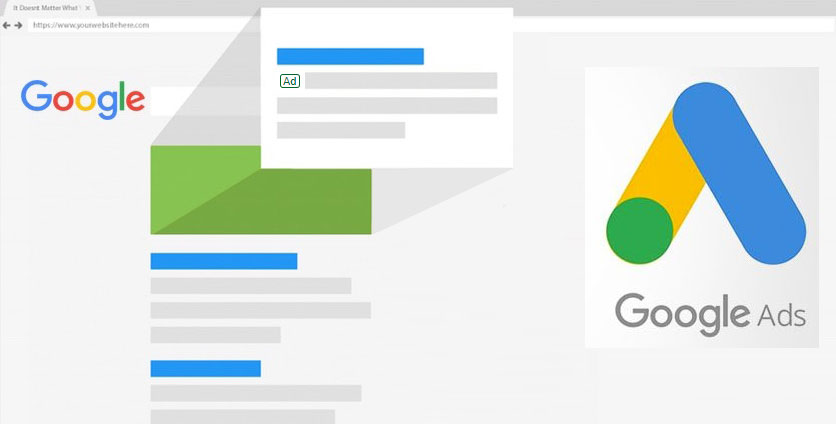
Lipapatso tsa Google, ursprünglich Google AdWords genannt, ist eine von Google eingeführte kostenpflichtige Online-Werbeplattform. Mokhoa, wie es funktioniert, bleibt im Wesentlichen dieselbe wie bei der Online-Suche mit einem Schlüsselwort; Sie erhalten die Ergebnisse auf einer Suchmaschinen-Ergebnisseite (SERP) im Zusammenhang mit ihrer Anfrage. Diese Suchergebnisse enthalten bezahlte Werbung, die auf dieses Schlüsselwort abzielt.

Sie können alle Anzeigen für ein bestimmtes Keyword oben in den SERPs finden. Sie können den dafür angebotenen organischen Suchergebnissen sehr ähnlich aussehen. Dies ist gut für den Online-Werbetreibenden, da die Top-Suchergebnisse bei Google normalerweise die große Präferenz erhalten und die Mehrheit des Verkehrs diese für Suchanfragen überprüft. Allerdings garantiert Werbung bei Google nicht zwangsläufig dauerhaft den ersten Platz. Schließlich konkurrieren auch viele andere Marketingexperten um dasselbe Keyword über Google Ads. Um zu verstehen, wie bezahlte Anzeigen die Rankings erhalten, schauen wir uns an, wie Google Ads genau funktioniert.

Lipapatso tsa Google li sebetsa joang?

Google Ads führt seine Operationen auf der Grundlage eines Pay-per-Click (PPC)-Modells durch. Seo se bolela, dass Marktexperten auf ein bestimmtes Keyword bei Google abzielen und dann Gebote für das Keyword abgeben, die mit anderen konkurrieren, die ebenfalls auf dasselbe Keyword abzielen.

Die Gebote, die Sie verdienen, sind „Maximalgebote“ oder der Höchstbetrag, den Sie für eine Anzeige zu zahlen bereit sind.

1. Cost-per-Click – Welchen Betrag müssen Sie bezahlen, wenn ein Nutzer auf Ihre Anzeige klickt?

2. Cost-per-Mille – Was Sie für jeweils 1000 Anzeigenimpressionen bezahlen.

3. Cost-per-Engagement – ​​Wie viel Sie bezahlen, wenn ein Nutzer eine Aktion für Ihre Anzeige ausführt.

Google verbraucht dann das Gebot und koppelt es mit einer Bewertung Ihrer Anzeige, die als Qualitätsfaktor bezeichnet wird. Der Qualitätsfaktor ist eine Bewertung der Qualität, der Keywords und ansprechenden Landingpages Ihrer Anzeigen. Hochwertigere Anzeigen führen zu niedrigeren Preisen und höheren Anzeigenpositionen. Ihre Überschrift ist das wichtigste Element Ihrer Google-Anzeige, da sie das erste ist, was Ihre Kunden sehen. Daher sollte es sich auf der ersten Seite der Google-Ergebnisse von den anderen abheben.

Hobaneng ha mantsoe a bohlokoa a le bohlokoa lipapatsong tsa Google?

Letšolo la Google AdWords

Haeba re bua ka lebitso la sehlooho ho Lipapatso tsa Google, ha re bue ka lipoleloana, eo o tla e kopanya le sehlopha ka seng sa lipapatso tsa hau ho latela lihlopha tsa lihlooho. Die Keywords dieser Anzeigen stimmen mit den Wörtern und Ausdrücken überein, die ein Benutzer zur Durchführung von Suchen eingibt, wodurch eine entsprechende Übereinstimmung Ihrer Anzeigen ausgelöst wird. Das ist ganz einfach, aber es gibt viele Keywords, die Sie in Ihrem Anzeigentext verwenden können. Sie können eine gut definierte Anzeigenstrategie verwenden, um die Daten zu sortieren und die am besten geeigneten Keywords für Ihre Google AdWords-Kampagnen auszuwählen.

Was beinhaltet ein gutes Anzeigen-Keyword?

Hohes Suchvolumen

Re tla thabela, dass unsere jeweiligen Keywords in Lipapatso tsa Google ein hohes Suchvolumen haben, um eine bessere Chance zu bieten, mehr Nutzer online zu erreichen und mehr Leads zu generieren. Google Ads kennzeichnet die Keywords mit einem „niedrigen Suchvolumen“, die Ihrem Konto hinzugefügt wurden, sobald bekannt wird, dass diese Wörter zulässig sind, aber Ihre Anzeigen den Nutzern am wenigsten präsentiert werden, wenn niemand mit diesen Keywords sucht.

Themenrelevanz

Leka, Ihre Google-Werbekampagnen in möglichst viele Anzeigengruppen aufzuteilen, und bieten Sie Geländer zum Nachdenken und Auswählen relevanter und nützlicher Keywords an. Wenn Sie diese Long-Tail-Keywords zu Ihrer Kampagne hinzufügen, haben Sie eine großartige Chance, Ihr Publikum basierend auf seiner Suchabsicht kreativ zu erreichen, und es kann auch dazu führen, dass die Konkurrenz geschwächt wird.

Auftritt auf der Landingpage

Die meisten Google Ads-Keywords, die Sie einer bestimmten Anzeige zuordnen, erscheinen auf der Zielseite, auf die Ihre Anzeige verweist. Dies ist nicht immer möglich, und es sollte Ihr Ziel sein, eine entsprechende User Journey vom Suchbegriff bis zur Zielseite zu schaffen, damit Ihre Benutzer nicht das Gefühl haben, auf Ihre Anzeige hereingefallen zu sein.

Wo finde ich Google Ads-Keywords?

Google-Trends

Sie sind vielleicht ein Experte auf Ihrem Gebiet, aber die Art und Weise, wie Sie es vermitteln, unterscheidet sich völlig von der Art und Weise, wie Ihr Publikum normalerweise darüber spricht. Mit Google Trends erhalten Sie klare Einblicke darüber, wie Ihre Zielgruppe nach Ihren Angeboten sucht.

Bestehende Abfragen

Unternehmen oder Werbetreibende können die Google Search Console oder den Kundenakquisitionsbericht über Google Analytics verwenden, um zu sehen, welche Begriffe potenzielle Interessenten auf Ihre Website bringen.

websaeteng

Scannen Sie den Inhalt Ihrer Website, um die Schlüsselwörter und Wortgruppen zu überprüfen, die Sie in Ihre Google-Anzeigen aufnehmen können.

Keywords des Konkurrenten

Etsa bonnete, dass Sie eine Keyword-Analyse der Mitbewerber durchführen, bevor Sie Ihre AdWords-Kampagne durchführen, da dies Ihnen bei der Planung einer strategischen Kampagne helfen wird.

Wenn Sie all dies befolgen, erhalten Sie Leads und Interessenten, die tatsächlich an Ihren Angeboten interessiert sind.

Mokhoa oa ho Atleha ho Adwords

Adwords

Adwords is a great tool to market your website and it can make a huge impact on the success of your website. You’ll be able to reach the target audience you want and get your message out to the world. It is free to use and there are many helpful tips to help you succeed in your campaign. These articles cover topics such as Keyword research, Tefiso, Lintlha tsa boleng, and Landing page.

Patlisiso ea mantsoe a sehlooho

Keyword research for Adwords is a process that helps online marketers determine the best keywords for a campaign. Keywords can help businesses determine what products or services are most popular, and can provide useful statistics on what types of searches result in a sale. Businesses can use Google’s keyword planner to help them decide which keywords to use. Ka ho etsa sena, they can develop a list of related keywords and develop effective pay-per-click advertising campaigns.

Keyword research should start early in the campaign so that costs are reasonable and the campaign has the best chance of success. It should also involve choosing the right keywords and ad groups. Keywords that are popular a year ago may not be as effective today, so it’s essential to make a list of relevant keywords that will target specific audiences.

Keyword research for Adwords can be performed in a variety of ways. The primary goal of keyword research is to identify the most relevant and popular keywords that relate to your audience’s interests. Keywords are ranked by their value and potential to generate traffic. To find the most relevant keywords, you can use Google’s Keyword Planner or a paid tool such as Ahrefs or Semrush. These tools vary in their pricing and may require a small monthly fee to use.

Keyword research is essential for new websites and helps determine which keywords to target. A great place to start is Google’s keyword planner, which monitors trends in real time. The tool will give you an estimate of the monthly search volume of different keywords, as well as the number of people searching for similar keywords.

Tefiso

Bidding on Adwords is an important part of any PPC advertising strategy. You need to choose the ad placement that will attract your audience and bid the amount per click that you are willing to spend. Typically, the higher your bid, the more often your ads will appear. Depending on your target audience, you can adjust your bids based on the demographics that you know will be interested in your product.

The two most common ways to bid on Adwords are cost per click (CPC) and cost per mille (CPM). CPC is the most effective type of bidding, as it can drive targeted customers to your website. Leha ho le joalo, it is not as effective if you need to drive large volumes of daily traffic. CPM bidding works on the Display Network, but it only works on websites that display AdSense ads.

When you are bidding on Adwords, you should set a minimum budget of PS200 per month, or a higher amount based on your niche and expected website traffic. Once you have figured out your budget, you can divide it by 30 ho fumana tekanyetso ea hau ea letsatsi le letsatsi. Leha ho le joalo, remember that this number is a guideline and not a set rule.

There are many ways to tweak your bids to attract the most traffic. Ka mohlala, you can use location to increase your chances of appearing on top content. AdWords will increase your bid if your ad is relevant to content on top. This method is recommended for advanced users. You can also use targeting methods for campaign types that display ads on the Display Network.

Lintlha tsa boleng

The quality score of your ad is an important factor in how successful your campaign is. It will determine where your ad will be displayed and how much it costs. The higher the quality score, the better your ads will perform. It is also important that the content of your ad matches the content on your website. This will prevent your ads from linking to irrelevant sites.

The Quality Score is determined by a combination of factors, including the cost per click bid. It is an estimate of how relevant your adverts are to your keywords. Ads with high Quality Scores are likely to receive lower prices and better ad positions. This is a particularly useful factor for advertisers on a budget.

Ho eketsa Lintlha tsa hau tsa Boleng, you should tailor the landing page and the keyword to the search terms. Ka mohlala, if your ad is about senior tax advice, your landing page should include a picture of an older person. Testing is also a crucial part of improving Quality Score. Create a variety of ad versions to test different strategies and see which ones work best.

Ads with the same keyword can have different Quality Scores, which means they may be performing differently from yours. A good ad with a high Quality Score will increase the chance of being seen by a customer.

Landing page

Creating a great landing page is crucial for the success of your Adwords campaign. It must be SEO-friendly and include your main keywords and secondary keywords. It should also have a good H-tag hierarchy and include alt attributes on images. Landing pages should load quickly as users do not stick around for long on a slow page. Haele hantle, HubSpot has reported that speeding up a page by even a few seconds can increase conversion rates by 3 ho 7 peresente.

When visitors click on ads or text links, they expect to find information that is relevant to their needs. It is frustrating for them to arrive at a page that does not match their expectations. Ho qoba sena, make sure that your landing page contains content that is useful to your target customers. Once visitors find relevant information, they are more likely to contact you.

The landing page is the webpage where people will land after they click on the ad. The landing page will have the same URL as the final URL of the ad. Google has a policy that requires the final URL and the display URL to share the same domain. Ka lebaka lena, making the landing page as relevant as possible is essential for a successful AdWords campaign.

Your landing page should focus on the offer and your company. Don’t overwhelm your visitors with unnecessary information. Ho e-na le hoo, give them information that will help them make the decision to buy. This will help them build trust in your business.

Quality score vs bid rank

The Quality Score is the discount you receive for a campaign, and it can be an important factor in getting your business listed at the top. Ads with a high Quality Score are able to achieve the top spot at a lower bid than those with a low one, but ads with a low Quality Score cannot achieve the top spot at all. A good ad tells potential customers what value you can provide and has a compelling call to action. It should also be appealing to users across all devices.

There are a number of factors that determine a keyword’s Quality Score, but keyword relevance is the biggest factor. You should test different variations of your ad copy, and make sure they are highly relevant. Ka mohlala, if you run a bounce house rental business, try using the keyword ‘bounce houses’ lipapatsong tsa hau. This will boost your CTR, and help you achieve higher Quality Score.

Quality Score reflects the overall performance of your campaign. It tells Google how relevant your content is to the searcher’s query. It also helps improve your Ad Rank. Google calculates Ad Rank by taking into account three metrics: bohlokoa ba papatso, boiphihlelo ba leqephe la ho fihla, and expected CTR. Bakeng sa lentsoe le leng le le leng la sehlooho, you can check its Quality Score by viewing the Quality Score column.

Cost of campaigns

One of the most important aspects of a Pay-Per-Click advertising campaign is choosing keywords carefully. Long-tail keywords will bring in a targeted audience and have less competition, which helps to keep the cost of Adwords campaigns down. Leha ho le joalo, it is important to keep in mind that the price paid per click will be dependent on how popular the keyword is.

There are many factors that influence the cost of an AdWords campaign, including how many clicks and conversions the campaign receives. Ka mohlala, the quality score of your keywords and the SERPs that target them will all impact the cost of your campaign. If you only want a handful of clicks, you can choose to limit the total cost of your campaign to a certain dollar amount. In order to maximize the cost-effectiveness of your campaign, optimize your ads to get the best rank.

Using a Google Ads Cost Calculator can help you set the budget for your AdWords campaign. It will also help you calculate your sales per month, gross revenue, and profit. Knowing your budget and the effectiveness of your campaign is the first step in creating a profitable advertising campaign. Ho feta moo, you can adjust your budget as your business grows.

You can also tweak your ad campaigns to focus on certain platforms. Ka mohlala, you can turn off campaigns that do not bring you any profits on mobile. By reducing your bids on these platforms, you will be able to spend more on platforms that generate more profits. Ka mokhoa o ts'oanang, you can narrow your geographic area.

Mokhoa oa ho sebelisa Google Adwords ho eketsa Budget ea hau ea Papatso

Adwords

Ho na le mekhoa e mengata e fapaneng ea ho sebelisa Pay-per-click (PPC) sethaleng sa papatso. Mekhoa ena e kenyelletsa tšebeliso ea Mantsoe a sehlooho, Lihlopha tsa Lipapatso, le Lipapatso. Ho sebelisa mekhoa ena e fapaneng ho u fa monyetla oa ho eketsa tekanyetso ea hau ea papatso. Mona ke lintho tse ling tseo u lokelang ho li hopola ha u sebelisa sethala sena. Hang ha u utloisisa likhopolo tsena tsa motheo, u tla khona ho theha lets'olo la AdWords ka nepo le fihlelang lipheo tsa hau tsa khoebo.

Lefa ka ho tobetsa (PPC) sethaleng sa papatso

Pay-per-click (PPC) papatso ke papatso ea sebaka sa Marang-rang eo moreki ea ka bang teng a tobehang ho eona ho araba potso ea patlo. E ka ba papatso e bonolo ea mongolo kapa setšoantšo kapa video. Lipapatso tsa PPC li hlaha lienjineng tsa ho batla, liwebsaete, le li-forum tsa litaba tsa sechaba.

Leha ho lefshoa ka ho penya papatso ho batla ho le bonolo, ho na le lintlha tse 'maloa tse lokelang ho nahanoa pele u qala letšolo le atlehileng. Ntlha ea pele, papatso ea hau e tlameha ho qothisana lehlokoa le lipapatso tse ling sebakeng sa marang-rang. Sena se etsoa ka mokhoa o bitsoang Ad Auction, moo Google e khethang bohlokoa ba papatso ka 'ngoe ho latela bohlokoa ba eona le bonnete ba eona.

Ea bobeli, o tlameha ho tseba ROI ea phutuho ea hau ea PPC. Le ha tefo ea CPC e ka ba tlase joalo ka $25 ka ho tobetsa, indasteri e 'ngoe le e' ngoe e ikhethile ka boemo ba eona ba lichelete, 'me lipalo tsa ROI li rarahane le ho feta ha u nahana ka liphetoho tse sa rekiseng.

Le hoja baphatlalatsi ba bangata ba hlapanya ka Adwords, ho na le li-platform tse ling tsa papatso tse lokelang ho hlahlojoa. Facebook, ka mohlala, e felile 1.3 basebelisi ba limilione tse likete 'me ke sebaka se setle bakeng sa mefuta e itseng ea likhoebo. LinkedIn, ka hlakoreng le leng, ke sebaka sa marang-rang se seholo sa profeshenale 'me se na le sethala sa papatso se shebaneng le batho ho latela litšobotsi tsa bona tse ikhethileng.

Ha ho tluoa ho PPC, senotlolo ke ho khetha mantsoe a bohlokoa ka hloko. Ha lets'olo la hau le lebisitsoe ho feta, ho ka etsahala hore lipapatso tsa hau li bonoe ke bareki. Sena se bolela ho fetola likopo tsa hau ka nepo. Ka mohlala, haeba u batla ho fihlela bamameli ba bangata, beha boholo ba tefiso ea hau ho $1.00.

Sethala se seng se tsebahalang sa papatso sa PPC ke Twitter. Sethala sa eona sa papatso se u lumella ho sebelisana le basebelisi ho pota lefatše. Le hoja e haelloa ke phihlello ea Facebook, Twitter e fana ka lisebelisoa tse ikhethang tsa ho bapatsa bakeng sa likhoebo. U ka rala letšolo la hau la lipapatso tsa Twitter ho fumana balateli, eketsa liphetoho tsa sebaka sa marang-rang, kapa khothalletsa batho ho khoasolla app. Kaha sethala se itšetlehile ka ho kopanela ha sebele, Lipapatso tsa Twitter hangata li fana ka litefiso tse tlase ho feta Facebook. Lipapatso tsa theko e tlase li ka ba tlase ho lisente tse tharo.

Mantsoe a sehlooho

Ha u sebelisa mantsoe a bohlokoa bakeng sa Adwords, ho bohlokoa ho utloisisa sepheo sa bamameli ba hau. Leha Lipapatso tsa Google e le lisebelisoa tsa bohlokoa tsa ho bapatsa, li ipiletsa feela ho basebelisi ba batlang tharollo ea mathata a bona ka mafolofolo. Ena ke mofuta o fapaneng oa bamameli ho feta batho ba kantle ho mochini oa ho batla bao e kanna eaba ba ntse ba bala kapa ba batla thuto.

Mantsoe a bohlokoa ke mantsoe kapa lipoleloana tseo Google e li batlisisang ho fumana litaba tsa tepo tse amehang. Ha e sebelisoa ka nepo, li ka u thusa ho fihlela litebello tse tšoanelehang ho theosa le fani ea ho reka. Mantsoe a sehlooho a arotsoe ka lihlopha tse tharo tse kholo, tlhahisoleseding, le transaction. Leano le letle la ho khetha mantsoe a bohlokoa le tla u lumella ho shebana le mefuta e nepahetseng ea basebelisi ha u ntse u fokotsa litšenyehelo tsa hau tsa PPC.

Hang ha u se u khethile sepheo sa mantsoe a hau a sehlooho, mohato o latelang ke ho batlisisa tlhōlisano bakeng sa lentsoe le leng le le leng la sehlooho. U ka sebelisa lisebelisoa tse kang SEMrush ho tseba tlholisano le botumo ba mantsoe a sehlooho a lentsoe la bohlokoa. Sesebelisoa se tla u bontša hore na ke bafuputsi ba bakae ba sebelisang lentsoe la sehlooho, tlholisano ea eona, le litšenyehelo tsa eona.

Mantsoe a bohlokoa a papali a na le tlholisano e kholo 'me a kanna a se fihlelle bareki ba nepahetseng. Li boetse li pharalletse haholo, kahoo ba ka hohela palo e kholo ea batho ba sa hlokeng le litšebeletso tsa hau. Ka mohlala, haeba u na le k'hamphani ea tlhahlobo ea mebaraka ea dijithale, o ka beha maemo bakeng sa lebitso la sehlooho la papali “Papatso ea dijithale” le ho fihlela bareki ba batlang software kapa livideo tsa papatso ea dijithale.

Mokhoa o mong o motle oa ho holisa katleho ea lipapatso tsa hau ke ho sebelisa mantsoe a bohlokoa a tobileng ho feta a akaretsang.. Ho sebelisa poleloana “setifikeiti sa mpho ea ho jela hantle” ke mohlala oa poleloana e itseng ea sehlooho, e neng e tla lebisa batho ba jang lijo ba batlang phihlelo e ntle ea ho jela. Ka mohlala, Setifikeiti sa mpho ea Bouley's Fine Dining se ne se tla lebisa batho ba jang lijo ba batlang Boiphihlelo ba Lijo tse Ntle tsa Fora.

Tsela e 'ngoe ea ho ntlafatsa khetho ea hau ea mantsoe a sehlooho ke ho khetha mantsoe a bohlokoa a nang le tlholisano e tlase le bohlokoa bo phahameng. Ka mohlala, haeba o tsamaisa lefapha la thepa, o kanna oa batla ho sebelisa mantsoe a bohlokoa joalo ka “mabenkele a lipalesa” le “lefapha la thepa”. Mantsoe ana a bohlokoa e tla ba a bohlokoa haholo bakeng sa ho thaepa ha mofuputsi “lebenkele la lipalesa”, empa u ka sebelisa li-synonyms hape.

Leano la ho reka

Ho na le lintlha tse 'maloa tseo u ka li nahanang ha u khetha leano la ho reka bakeng sa Adwords. Ho sebelisa phetisetso ea phetoho, Google Analytics, le keyword planner e ka u thusa ho etsa qeto e nepahetseng mabapi le hore na u ka sebelisa likopo life le hore na sepheo sa hau sa ROI e lokela ho ba sefe. Sena se ka u thusa hore u tsebe hore na u batla ho reka mantsoe a bohlokoa hakae le hore na u batla bokae ho 'ona. U ka boela ua etsa liteko tsa A/B ho bona hore na ke litefiso life tse sebetsang hantle khoebong ea hau.

Ho sebelisa leano le ikemetseng la ho reka ho u lumella ho laola litefiso tsa hau letsatsi le letsatsi. Li-algorithms tsena li etselitsoe ho shebana le lipheo tse ikhethileng le ho tlosa likhakanyo ho tsoa ho li-bids. Mekhoa e fapaneng ea ho etsa kopo ea boiketsetso e teng ho eketsa palo ea ho tobetsa, liphetoho, le boleng ba phetoho ka nngwe.

Ho reka mantsoe a bohlokoa ho AdWords ha ho bonolo joalo ka ha ho ka bonahala, haholo-holo haeba u le mocha tšebeletsong. Batho ba bangata ba qetella ba lefa chelete e ngata haholo 'me ba fumana liphetoho tse seng kae feela. Hangata ba nahana hore ba lokela ho shebana le maemo a holimo ho SERPs tsa Google, empa leano le letle la ho reka le ka fokotsa litšenyehelo tsa hau le ho eketsa liphetoho.

Ho reka mantsoe a bohlokoa ka ho khetheha ke mokhoa o motle oa ho fumana ponahalo e ngata. U ka fetola kopo ea hau ho eketsa ho tobetsa, maikutlo a video, le maikutlo. Mokhoa ona o boetse o loketse ba sa tsebeng hantle hore na ke mantsoe afe a bohlokoa a tla hlahisa chelete e ngata, empa ha u na nako ea ho laola ka letsoho.

Ha o qala ho leka matšolo a macha, u seke oa lebala ho fana ka tlaleho ea letsatsi le letsatsi mabapi le ts'ebetso ea mantsoe a hau a bohlokoa le litefiso. Sena se tla u bontša moo bareki ba hao ba tobetsang le hore na u sebelisa bokae ka ho tobetsa. Ha u sebelisa mantsoe a tšoanang le mantsoe a bohlokoa a tšoanang, o hloka ho etsa bonnete ba hore o fumana lintlha tsa boleng bo holimo ka ho fetisisa.

Mokhoa o motle ka ho fetisisa oa ho reka bakeng sa Adwords o itšetlehile ka hore na websaete ea hau e na le liphetoho tse kae. Haeba sebaka sa hau sa marang-rang se fumana sephethephethe se seholo mme se na le sekhahla se phahameng sa ho sokoloha, o ka beha litefiso tsa hau holimo mme oa eketsa boemo ba hau ba lipapatso. Ho eketsa ROI ea hau, o lokela ho ntlafatsa boleng ba papatso ea hau.

Tekanyetso ea lets'olo

Lipapatso tsa Google Adwords ha li na litšenyehelo tse behiloeng, kahoo ho bohlokoa ho lokisa tekanyetso bakeng sa matšolo a fapaneng. Litsenyehelo li tla itšetleha ka mofuta oa sehlahisoa kapa tšebeletso eo u e rekisang le indasteri eo u leng ho eona. Hopola, hore ha e le hantle u reka sephethephethe sa sebaka sa marang-rang. Google Adwords e tšoana le 'maraka o monyenyane, kahoo theko ea mantsoe a bohlokoa le ho beha lipapatso li tla fapana haholo.

Bakeng sa barekisi ba marang-rang, tekanyetsokabo ya letsholo e ka behwa ka letsatsi kapa ka kgwedi. O ka fetola tekanyetso ena bakeng sa linako tse itseng kapa ho latela matšoao a boletsoeng esale pele, joalo ka mofuta oa sebatli, nako ea letsatsi, kapa sebaka. Ha u beha tekanyetso ea hau ea Google Adwords, hape o lokela ho seta palo e kahodimodimo ya ditjeho-per-click (CPC) bid, kapa chelete eo u ikemiselitseng ho e lefa bakeng sa ho tobetsa hanngoe feela. U lokela ho beha leihlo litefiso tsa hau, kaha li ka ama palo ea sephethephethe seo u se fumanang le Return on Investment ea hau (ROI).

Chelete ea chelete eo u e sebelisang e lokela ho fapana ho latela indasteri ea hau, litlhoko tsa moreki oa hau, le mofuta oa lipapatso tseo u li tsamaisang. Tekanyetso e tloaelehileng ea lets'olo e tla fapana lipakeng tsa $25 le $150 ka letsatsi. Haeba u na le tekanyetso e nyane, o tla hloka ho nahana ka ho e eketsa ho etsa hore e atlehe haholoanyane.

Ho sebelisa tekanyetso e arolelanoang ho molemo bakeng sa matšolo a mangata a arolelanang sepheo se le seng. Litekanyetso tse arolelanoang li sebetsa hantle bakeng sa masolo a linako tsa selemo a amanang le matsatsi a phomolo a itseng. U ka boela ua etsa letšolo le nang le tekanyetso e arolelanoang le ho koala tekanyetso ea bareki ba itseng. Sena se tla etsa bonnete ba hore lets'olo la hau ha le sebelise ho feta kamoo le hlokang.

Haeba u ncha ho Adwords, ho molemo ho qala ka nyenyane le ho eketsa tekanyetso ea hau ha u ntse u fumana phihlelo e eketsehileng. Ha o tsebe se tla sebetsa le se ke keng sa sebetsa, kahoo ho bohlokoa ho qala ka letšolo la tlhahlobo pele. Letšolo la hau la pele le ka u tsoela molemo, ho lekanya, kapa esita le ho lahleheloa ke chelete. Hopola hore likhoeli tsa hau tsa pele tsa matšolo ke nako ea ho ithekisa le ho ithuta.

E le ea qalang, tekanyetso ea hau ea pele e ka tloha ho $10 ho $50 ka letsatsi. Ha letsholo la hao le ntse le hola, u ka e phahamisa ho $80 letsatsi. Sena se ne se tla lekana le $1,216 bakeng sa beke ea hau ea pele. Haeba u rera ho qeta nako e fetang khoeli, o ka beha palo e kahodimodimo ya $2,700.

Bohlokoa ba Lipatlisiso tsa Mantsoe a Bohlokoa ho Adwords

Adwords

Patlisiso ea mantsoe a sehlooho

Keyword research is an important part of any AdWords campaign. It will help you find keywords that people are searching for online and will ensure that your campaign is as targeted as possible. Holim'a moo, keyword research can help you set a realistic budget for your campaign. As the cost per click varies considerably from keyword to keyword and industry to industry, it is essential to do as much research as possible to ensure that your budget is well spent.

Ho qala, use a seed keyword, which is a short, popular keyword that describes your product or service. Ka mohlala, if your business specializes in chocolates, you might choosechocolate”. Ho tloha moo, expand the seed keyword list into a high level list of related keywords. The Google Keyword Tool can help you generate ideas for your seed list.

Another important step in keyword research is to determine the intent of the user. Choosing keywords based on intent is vital because keywords that are irrelevant are useless. Ka mohlala, a person searching forwedding cakehas a different intent than someone searching forwedding cakes near me”. The latter is a more targeted search, and is more likely to result in a purchase.

Once you’ve determined your target audience, you can start keyword research. While there are free keyword research tools such as Google Adwords Keyword Tool, it is important to consider paid keyword research tools such as Ahrefs to see how valuable your keywords are. These tools also give you metrics about your keywords.

Keyword research is essential if you want to get more out of your AdWords campaign. It is crucial to know the types of keywords people search for and which ones are most competitive. Once you’ve determined the type of keywords, you can focus your campaign on those that have high search volume. You can also use the Google Keyword Planner tool to see if there are related keywords.

Mokhoa oa ho etsa tefiso

When a visitor clicks on your advertisement, you will be charged based on the bid that you place for that particular ad. Bidding on Google ads is similar to the stock market in that it is based on supply and demand. Advanced campaigns can use bid adjustments to optimize their bids over time.

To test different bids, you can use the Draft & Experiments feature in Google Ads. This feature will allow you to test different bid amounts and see which one produces the best results. Ka mohlala, if you are promoting a brand awareness campaign, you can adjust your bid by 20% for mobile devices. Leha ho le joalo, you should be wary of making drastic changes in your bid until you have enough data to make the necessary changes. You can also make the bidding process easier by keeping your account structure simple.

Bidding on keywords in Adwords can be confusing, especially for those who are new to the advertising process. Many people end up spending too much money for very few conversions. They mistakenly believe that they should aim for the highest position on Google’s SERPs. Leha ho le joalo, there are effective bidding strategies that will not only lower your expenses, but also increase your conversions and ad ranking.

If you have no experience in bidding on Google Ads, you can consult a professional to determine the correct bid for your campaign. A good way to begin is to consider your business goals and how you want to achieve them. These goals will guide you in your bids. You should also consider the history of your keywords.

Bidding on keywords is essential for successful paid advertising. Choose keywords that are relevant to your business. Joale, analyze and adjust accordingly for better results. Ntle ho moo, you should make sure to constantly monitor your campaign and adjust your keywords if they fail to deliver desired results. Weslee Clyde is an inbound marketing strategist at New Breed. She is driven by customer experience.

There are many ways to optimize the bids you make for your ads on Google. You can choose to focus on cost per click, average position, conversion, or engagement, or you can use a combination of these metrics. Google also considers Quality Score, expected click-through rate, and ad relevance. Increasing your quality score can decrease your cost per click and increase your average position.

Tracking results

Tracking the results of Adwords pay-per-click campaigns can be difficult. While it’s easy to measure a conversion from a website, it’s not as easy to track an offline action. Ka mohlala, some consumers may be interested in a service but prefer to speak to a real person over the phone. Tracking a call is very different than tracking a website conversion, but it’s possible.

To track conversions for non-ecommerce campaigns, you can set a conversion value that reflects the eventual revenue. This value can be set in the conversion tracking settings in AdWords. To use this feature, you must edit a snippet of code in the AdWords account. You’ll need to add a variable from your shopping cart system.

Once you have entered all the necessary information, you can track the results of Adwords campaigns. You can also view the number of conversions across all conversion actions. Ho phaella ho sena, you can see the attribution model for each conversion. If you want to get a better understanding of which keywords and ad formats generate the best results, you can set a tracking template and use this tracking information in future campaigns.

You can also integrate your AdWords and Google Analytics accounts. Analytics is free and provides a variety of extra features. You can learn more about how to link these two programs in Google’s Combined Power of AdWords and Analytics webinar. It’s an old webinar, but it’s still useful for understanding the relationship between the two.

Another way to track the results of Adwords campaigns is to look for ad groups. These are collections of ads with similar keywords. These ad groups can be created for different product or service types. These groups can then be automatically tagged and categorized. This is a very useful feature in tracking results.

Lintlha tsa boleng

The Quality Score of your Adwords ads is the estimated level of relevancy between your ad and a user’s search. It is determined by several factors, including ad relevance and the user’s experience on your landing page. Your Quality Score will be different for different keywords, lihlopha tsa lipapatso, and campaigns. A lower quality score can result in wasted ad budget and poor ad performance.

Click-through rate refers to the number of people who click on your ad, and is a key metric for determining the effectiveness of your campaign. If people aren’t clicking on your ad, you will end up with a lower Quality Score. If your click-through rate is high, your ad will appear higher in search results and your cost-per-click will be lower.

To increase your quality score, make sure your ads match the content of your site. You can do this by selecting Broad match, Phrase match, or Single keyword ad groups. If you’re trying to reach people who are searching for a particular product or service, you should use Broad match, as it is the most relevant way to reach them. Phrase match is the most relevant option for people who are more general in their search, but can’t pinpoint the specific features of your product.

If your ads don’t meet the searcher’s intent, they won’t be displayed in the auction. By increasing your Quality Score, you’ll be able to outbid competitors who are paying top dollar for ad space. A high Quality Score can help advertisers with limited budgets to compete with high-bidders.

In addition to targeting your keywords, you should also pay attention to your landing pages. A good Quality Score will improve your adsperformance over time. Ho phahamisa Lintlha tsa hau tsa Boleng, the lower your cost-per-click will be. This is because your landing pages should be relevant to the keyword grouping. A good Quality Score will ensure your ads appear higher in the organic search results and lower your cost-per-click. So it’s important to monitor the Quality Score of your ads and improve them as often as you can.

Your quality score can be improved by improving the relevance of your keywords. It also takes into account your landing page’s experience. A low CTR means that your ad doesn’t have relevance. A high CTR increases your quality score, while a low one lowers it.

Eketsa sephethephethe sebakeng sa hau sa marang-rang ka Google AdWords

Lipapatso tsa Google

E 'ngoe ea mekhoa e molemo ka ho fetisisa, ho hohela lihlopha tse ngata tse shebiloeng lebenkeleng la hau la Marang-rang, ke Lipapatso tsa Google kapa Google AdWords. Lipapatso tsena li ka u thusa, ho hlahisa sephethephethe se eketsehileng, e ikemetseng ka, hore na u sethaleng sefe ts'ebetsong ea hau ea SEO. Und das Beste daran ist, dass es sowohl für neue als auch für etablierte Geschäfte Wunder bewirkt, regelmäßig für neu angebotene Produkte, Werbeaktionen und Angebote zu werben. Wenn Ihre Google-Anzeigen nicht wie erwartet funktionieren, sind Sie an der richtigen Stelle. Google Ads hilft Ihnen zu verstehen, was besser ist und was Ihnen hilft, auf dem Weg Ihres Unternehmens voranzukommen.

Beim Einrichten Ihrer Google Ads-Kampagnen werden Sie feststellen, dass die weitgehend passende Keyword-Option die standardmäßige Keyword-Übereinstimmung ist, mit der Sie ein breiteres Publikum ansprechen können. Es gibt jedoch auch andere Keyword-Übereinstimmungen, die verwendet werden können, um bestimmte Zielgruppen zu erreichen.

  1. Weitgehend passend: Hier gleicht Google die Suchanfragen der Nutzer weitgehend mit Ihren Keywords ab, einschließlich falscher Schreibweisen, Tippfehler, Synonyme und relevanter Keywords.
  2. E tšoanang hantle: Dies sagt, wo Google Ihre Anzeigen nur dann abgleicht, wenn der Suchbenutzer ohne viele Wendungen das genaue Schlüsselwort für die Suche ausnutzt.
  3. Negative Schlüsselwörter: Dies sind Schlüsselwörter oder Phrasen, die sicherstellen, dass Sie nicht für irrelevante Suchanfragen erscheinen.
  4. bapisa poleloana: Sena se tla netefatsa, dass Google Ihre Schlüsselphrase nur mit Suchenden abgleicht, die die exakte Phrase verwenden, ohne Änderungen.
  5. Modifikator für weitgehend passende Keywords: Dies ähnelt weitgehend passenden Keywords, mit der Ausnahme, dass es Ihnen ermöglicht, genau die Phrasen oder Schlüsselwörter zu finden, die Sie abgleichen möchten.

Die Durchführung einer umsatzsteigernden Google Ad-Kampagne erfordert das Verständnis von Schlüsselwörtern, um zu wissen, welche am besten konvertieren. Ka hona ho bohlokoa, Ihre Kampagnen sorgfältig zu testen, zu überwachen und zu optimieren. Verwenden Sie Conversion Tracking, ein kostenloses Google Ads-Tool, um genau zu verfolgen, welches Keyword Traffic bringt und konvertiert. Leka, mit Ihren Google AdWords in den verschiedenen Anzeigengruppen Ihrer Kampagne unterschiedliche Bereiche anzusprechen. Dies wird Ihnen sicherlich helfen, den tatsächlichen Bereich und die Standorte zu bestimmen, die Sie mit mehr Conversions und Gebotsanpassungen belohnen, sodass Sie Ihr Geld sinnvoll für Anzeigengruppen ausgeben können, ke mang ya tla o thusa, mehr Umsatz zu erzielen.

Google Display-Anzeigen sind auf den Seiten von Drittanbietern im Internet sichtbar, ho ipapisitsoe le, wie Sie Ihre Anzeigen ausrichten, für wen Sie sie sichtbar machen und welche Anzeigen Sie erstellen. Dies könnte eine perfekte Gelegenheit für viele Geschäftsinhaber sein, aber Vermarkter diskutieren, dass Display-Anzeigen ablenken und zu einer schlechten Benutzererfahrung und Markenbekanntheit führen können.

Mokhoa oa ho Ntlafatsa Letšolo la Hao la Adwords

Adwords

Mantsoe a sehlooho

To maximize the number of clicks your advertising campaign receives, you can try different types of keywords in AdWords. One option is called exact match keywords, which ensures that your ad will appear when searchers use the exact same phrase in the same order. Using an exact match keyword will reduce your PPC spend significantly, but it will make your ads harder to see.

It is important to choose keywords that are relevant to your business and content. This will increase your chances of conversions and put more money in your pocket. Ka mohlala, if you’re a health supplement store, you should consider keywords related to vitamins, supplements, herbs, and other natural remedies. Not all of them will make sense for your campaign, so be sure to consider what kind of customers are looking for in your niche.

When choosing keywords for AdWords, consider your audience’s intent. Remember that the most relevant keywords are ones that will attract users who are actively looking for a solution to their problem. A person who is just browsing the web or seeking education, ka mohlala, will not be looking for a product or service. Using the right keywords can make or break your campaign.

You can also use the broad match modifier to target people looking for a specific product or service. Ka mohlala, a digital marketing auditing company could rank for the broad match keyworddigital marketing.This would ensure that their ads appear to customers who are searching for that exact term.

Tefiso

You can bid on your ads in a number of ways. You can use cost-per-click or cost-per-acquisition bidding. In cost-per-click bidding, you will pay only when someone clicks on your ad. Cost-per-acquisition bidding is different. Google Adwords uses an auction system to determine how much you should bid on each ad. The amount you bid on a keyword will depend on how well it converts and how many visitors click on it.

Bidding on Adwords can be challenging. The most common way to bid is with Cost-Per-Click. This method is best for driving targeted traffic. Leha ho le joalo, it is not effective if you are trying to attract large volumes of traffic daily. CPC bidding is more effective when your ad is displayed on sites with relevant content.

Another method to increase your bid is to tweak the keywords. You should try to choose keywords that are relevant to your business and the products or services you are offering. Then you need to monitor your ad’s performance regularly. You should make changes to it as needed for maximum ROI. Joale, you can try adjusting your bids according to your current results.

Be aware of your competition’s advertising efforts. If your competitors are using the brand name in their ads, you can file a complaint with Google. Ntle le moo, you can try working the brand name into your ad copy naturally. Ka mohlala, if you’re competing with a popular SEO thought leader, you should try bidding on that term. While bidding on your competitorsterms may get you more clicks, it can have a negative impact on your brand’s reputation.

Lintlha tsa boleng

Quality score is a very important aspect of Adwords and it affects ad positioning and cost per click. Leha ho le joalo, it is difficult to optimize for it, as there are many factors that are beyond the account manager’s control. Ka mohlala, the landing page needs to be managed by the design, development and IT team, and there are many other components that contribute to a quality score.

To boost your quality score, make sure your keywords, ad and landing page are all relevant. Even if your keyword is low performing, it needs to be directed to a page that will attract the desired customers. Ho seng joalo, you’ll end up paying more for ad space on Google than it’s worth.

The click-through rate also affects your AdWords quality score. A higher click-through rate means that your ad is relevant and useful to the person who clicked on it. Holim'a moo, an improved Quality Score can increase your ad’s ranking. If your ads are relevant and appealing to the target audience, they will be shown higher in the results.

Another important factor that affects your QA score is the way the visitor reacts when landing on the website. If a visitor has a negative experience after landing on the website, they’re less likely to convert. If the experience is too bad, they will leave the site, and this will lower your QA score.

Papatso hape

Remarketing is a powerful tool to increase your website’s conversion rate and make your ads more relevant to your audience. The technique can target a particular audience based on various parameters. Mohlala, you can choose to target people based on their previous searches or by language. It is also possible to create a list based on their income level and educational background. AdWords remarketing campaigns can increase your conversion rate and improve your ROI by reminding your audience of your products and services.

In order to implement remarketing with AdWords campaigns, you must know a few things about the ad targeting process. You should make sure your website is compatible with the remarketing tag. You can then use the +Remarketing List in the Shared library section of your AdWords account to create a variety of remarketing campaigns. Once you have set up the list, you need to tell AdWords what data to use for your ads.

Remarketing with AdWords allows you to serve targeted ads to visitors who have visited your website before. By retargeting these past visitors, you can encourage them to come back to your website and take action on your offers. As a result, these people are more likely to become leads or sales.

Litšenyehelo

The cost of Adwords is spiraling out of control for many keywords. It wasn’t so bad a few years ago, but now that more businesses are bidding on these advertisements, the cost has become extremely expensive. It can now cost as much as EUR5 per click for a new business to get their name out there.

There are many factors to consider in determining the cost of AdWords, including the scope of the campaign, how many ads you need, and how much help you need. Ka kakaretso, leha ho le joalo, an AdWords campaign can cost anywhere from $9,000 ho $10,000 a month or even more.

The total cost of Adwords is the sum of the cost per click (CPC) and cost per thousand impressions (CPM) sebedisitsoe. It does not include the cost of other costs, such as clicks on your website. Having an average daily budget and setting bids at the keyword or ad group level can help you control costs. You should also look at the average position of your ad in comparison to those of other advertisers. This can be useful for understanding the return on your investment.

Although CPC is not a great indicator of your ad’s performance on Google, it is the foundation for understanding your overall advertising costs. A high CPC means a higher cost per click, but it does not guarantee a higher number of paying customers. Leha ho le joalo, it does guarantee increased traffic to your website.

Campaign optimization

One of the first steps in campaign optimization is to understand your audience. Creating an audience persona can help you understand what your prospects are looking for. It also helps you select keywords and content based on their interests and pain points. Once you have a clear picture of who your target audience is, you can refine your targeting to attract the right customers.

You should also know your keyword competition. The more competitive your keyword is, the more money it will cost you. This is the reason why it is a good idea to create a few different versions of the same keyword. Ka mohlala, you might want to create a campaign based on keywords that are related to your product, but not too competitive. Molemong oa sena, you can use the keyword planner to come up with a list of phrases you can target.

The first 30 days of a PPC campaign are crucial. In this time, it’s important to optimize for the quality score and ad ranking. You should also optimize for the ad copy and landing page. Qetellong, you should aim to maximize profits from your ads. By establishing KPIs, you can better manage your campaigns and get the best results.

Using the ‘Experimentsfeature in Google Ads, you can create ad variations in a short period of time. For each ad variation, you can label it and review the results. Qetellong, you should never stop optimizing your AdWords campaign. Always keep on testing and trying new ideas. You can even split up your Ad Groups into several different ad copies and landing pages. Ensure that you use a mix of match types, maqephe a lulang, and ad text to get the best results.

Adwords ke eng?

Adwords

AdWords is a service provided by Google that lets businesses advertise their products or services. It lets you reach customers at every stage of the customer journey, and allows you to track the performance of your ads. The service is very user-friendly and offers a wide range of options to customize your ads.

Google AdWords is Google’s advertising service

AdWords is a search engine advertising service that allows businesses to pay a set price to place advertisements on Google’s websites. Ads are displayed on a web page, in the form of text or images, that mimic the look and feel of the average search result. The advertisements are placed on relevant websites within Google’s content network. In order to maximize the visibility of the ads, advertisers can select site-targeting options in their control panel.

The service works with a bidding system, allowing advertisers to select their maximum bid, which varies depending on how many clicks the ad receives. Advertisers can select one of three types of bidding: litšenyehelo ka ho tobetsa, which is the amount paid per click, cost-per-mille, and cost-per-engagement, which is the price paid when a user converts.

Google AdWords is not without controversy. In April 2002, a patent infringement lawsuit was filed against Google over the service. Ho 2004, the two companies reached a settlement and Google issued 2.7 million shares of common stock to Yahoo! in return for a perpetual license under the patent.

AdWords allows businesses to target their advertisements to prospective customers based on their location, lilemo, le mantsoe a sehlooho. Holim'a moo, advertisers can select the time of day and location of the ad. Ka mohlala, many businesses run ads Monday to Friday between 8 AM and 5 PM, while others run ads only during the weekends.

The most important benefit of AdWords is its ability to save businesses a considerable amount of money. The service charges advertisers only when a user clicks on their advertisement, which means that they can see their ads on multiple websites without spending a fortune. Ho feta moo, businesses can track their ads by observing which ads are clicked and by whom.

The Google AdWords service is a paid advertising service provided by Google. Businesses can use it to increase sales by placing ads on Google and its affiliated websites, as well as mobile apps and videos. Digital Logic provides services for Adwords management, and specializes in getting the most out of their advertising budgets.

Google AdWords also helps businesses compete on a level playing field, making it easier for smaller businesses to compete with large corporations. The service helps companies achieve more horizontally, while smaller businesses can focus on niche markets. Google Ads also allows advertisers to increase their Ad Ranks and Ad Quality. These are two important factors in making a successful advertisement. Higher Ad Ranks and Ad Quality scores allow small businesses to achieve the top rankings and stay competitive.

AdWords works on an auction system, and every time a user performs a search, Google bids on the most relevant ads. This helps advertisers with high Quality Scores decrease their cost per click, which in turn increases ROI. These ads also appear in better positions on the SERP, resulting in more clicks and conversions.

It allows businesses to reach customers at every step of the customer journey

There are multiple paths to customer acquisition and retention, and Adwords can help businesses reach these customers in all phases of their journey. Not every path leads to the same destination, but if businesses use multiple touch points throughout the customer journey, they will increase the likelihood of converting leads into paying customers.

E lumella likhoebo ho latela ts'ebetso ea lipapatso tsa bona

AdWords is an advertising platform that enables businesses to create and track their ads. They can track how effective their ads are by tracking the number of clicks they receive, and the number of visitors to their website. Businesses can also track how well they perform in terms of brand awareness, lead generation, le liphetoho. This helps businesses optimize their campaigns to generate the desired results.

Businesses can also see their return on investment, comparing the results with returns from other channels. If the return is lower than expected, it may mean that the account needs improvement or the ads are in the wrong place. If they receive a higher return, it may be a good sign to continue investing in the channel. Another way to determine the effectiveness of an ad is to compare it with the cost-per-conversion. This metric tells you how much money a business is spending on a specific ad and how many times it is converting.

AdWords also offers a powerful API that allows businesses to track the performance of their ad groups and campaigns. Automated scripts can track and measure campaign performance using the API. Businesses can also measure the performance of individual ads by testing their ads with automated scripts. The Google AdWords API allows advertisers to expand their reporting capabilities and optimize their ads. These tools reduce the time-to-market of their advertising campaigns.